


Testicular pain
Discomfort here has a range of causes, and most aren't emergencies — but sudden, severe pain can be, and needs immediate in-person care, not a video visit. This visit is for milder or ongoing symptoms once you've ruled out an emergency.
1:1 virtual visit with a clinician experienced in men's health
Insurance accepted, with clear pricing per visit
A care plan built from your full health history
Visit options
We'll check any insurance and show you your options before you book.
Video Visit
$25
Est. or $100 w/o insurance
Chat Visit
$30
w/o insurance
Most insurance accepted
Board-certified clinicians
No hidden fees
Available nationwide
What to expect from a testicular pain visit
1
Share your health story
Tell us how the pain started and how severe it is.
2
Meet your clinician
Confirm this is appropriate for a video visit, not an emergency.
3
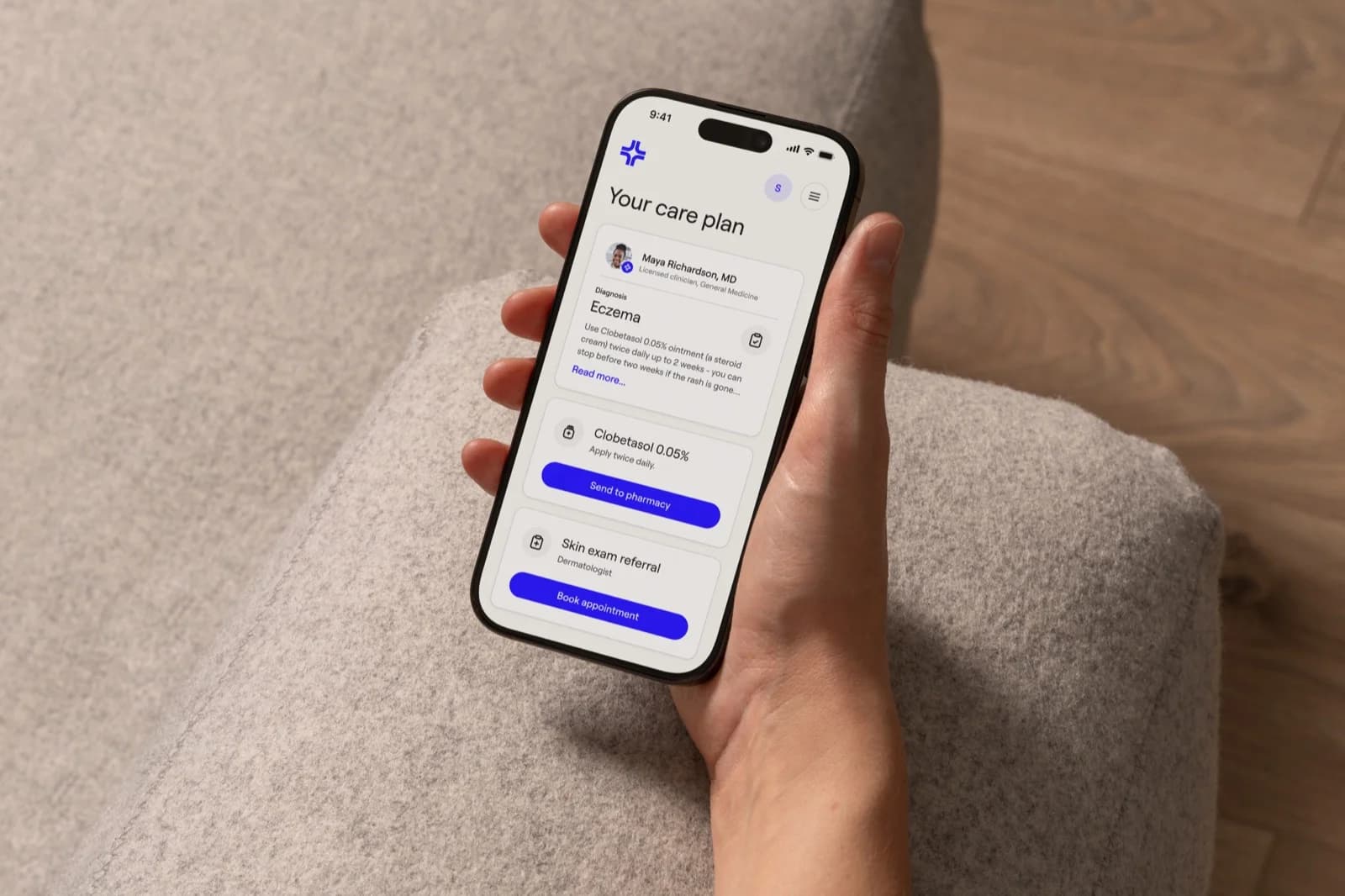
Get your care plan
Leave with a treatment plan or urgent referral if needed.
4
Own your health
Follow up if symptoms change or don't improve.

All your care in one place. That’s the General Medicine difference.
We help you understand your options, connect you to the right clinicians, manage prescriptions, coordinate any needed evaluations, and keep an eye on your overall health along the way. It’s comprehensive care that looks at the full picture — your goals, your history, your lifestyle — and makes it simple to move forward with confidence.

Is a testicular pain visit right for you?
This visit is for mild, gradual, or ongoing testicular discomfort — not sudden, severe pain, which needs emergency care right away.
You have mild, dull, or gradually developing discomfort
You've had ongoing or intermittent testicular pain
You've noticed swelling or a lump without sudden severe pain
You want to understand what might be causing your symptoms
Your pain has already been evaluated as non-emergency and you need follow-up
What our customers have to say
“I feel like I’m finally on the right path to improving my health with the right support now! It’s so refreshing and reassuring.”
Emerald
“My experience with General Medicine was amazing. The understanding and care that was taken to figure out what is exactly going on with me. I feel like a weight has been lifted off of me.”
Kaylee
“I couldn’t be happier with my experience with General Medicine! They are fast, responsive, kind and knowledgeable. It is much easier, more affordable and faster.”
Nika
Get evaluated, privately
More men's health care
Frequently asked questions
When is testicular pain a medical emergency?
Sudden, severe pain — especially with swelling, nausea, or vomiting — can mean testicular torsion, a true emergency where the blood supply is cut off. This needs an ER immediately, within hours, not a video visit; waiting can permanently damage the testicle.
What are common non-emergency causes of testicular pain?
Minor injury, infection (like epididymitis), or a hernia can cause milder, more gradual discomfort that builds over hours to days rather than starting suddenly. Your clinician will ask about how the pain started to help sort out the cause.
How can I tell the difference between an emergency and something milder?
Sudden onset, severe intensity, and accompanying nausea or vomiting point toward an emergency; gradual, milder discomfort is more likely something this visit can help with — when in doubt, treat it as an emergency and get seen in person right away.
Will this visit examine me physically?
No — a video visit can't replace an in-person exam for testicular pain; if your symptoms suggest anything urgent, your clinician will direct you to in-person or emergency care immediately. This is why any concerning symptoms are routed to in-person care instead.
What side effects are associated with treatments for testicular pain causes?
This depends entirely on the cause — an antibiotic for infection carries typical digestive side effects, while other causes may need no medication at all. Your clinician will explain what to expect once a specific cause is identified.