

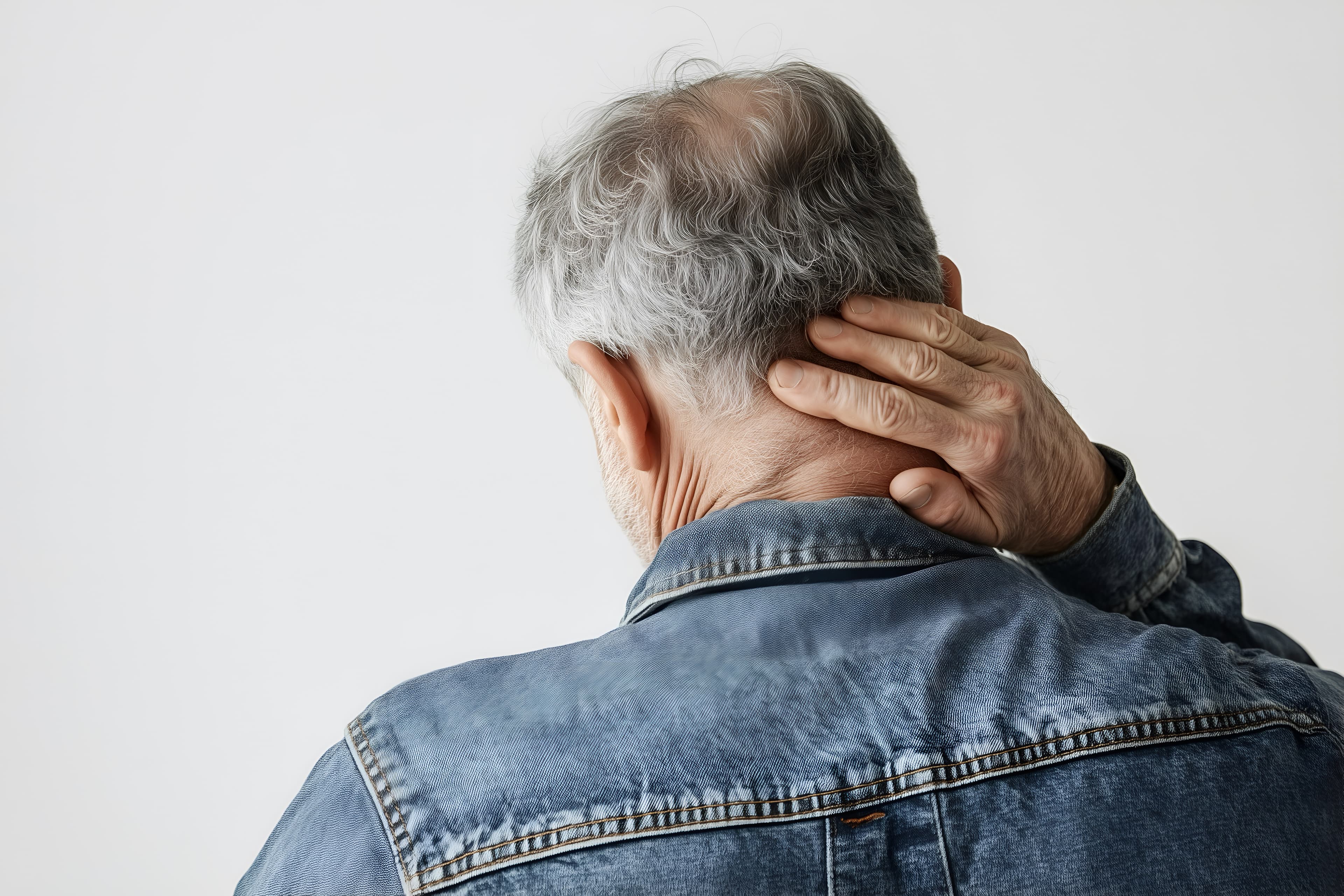
Neck strain
Neck pain and stiffness after a sudden movement, poor sleep position, or overuse is common and usually improves with the right approach. This visit gets you a clinician's assessment and a plan to ease it and get moving comfortably again.
1:1 virtual visit with a clinician experienced in common musculoskeletal conditions
Insurance accepted, with clear pricing per visit
A care plan built from your full health history
Visit options
We'll check any insurance and show you your options before you book.
Video Visit
$25
Est. or $100 w/o insurance
Most insurance accepted
Board-certified clinicians
No hidden fees
Available nationwide
What to expect from a neck strain visit
1
Share your health story
Tell us how the pain started and what makes it better or worse.
2
Meet your clinician
Discuss treatment options and whether imaging is needed.
3
Get your care plan
Leave with a treatment plan, which may include medication or physical therapy.
4
Own your health
Follow up if pain continues or worsens.

All your care in one place. That’s the General Medicine difference.
We help you understand your options, connect you to the right clinicians, manage prescriptions, coordinate any needed evaluations, and keep an eye on your overall health along the way. It’s comprehensive care that looks at the full picture — your goals, your history, your lifestyle — and makes it simple to move forward with confidence.


Is a neck strain visit right for you?
Most neck strains improve within a couple of weeks with the right care.
Your neck pain started after a sudden movement or sleeping awkwardly
Pain or stiffness is limiting how far you can turn your head
You're having trouble finding a comfortable sleep position
You have pain radiating into your shoulder or arm
Pain hasn't improved after a week or two of rest
What our customers have to say
“I feel like I’m finally on the right path to improving my health with the right support now! It’s so refreshing and reassuring.”
Emerald
“My experience with General Medicine was amazing. The understanding and care that was taken to figure out what is exactly going on with me. I feel like a weight has been lifted off of me.”
Kaylee
“I couldn’t be happier with my experience with General Medicine! They are fast, responsive, kind and knowledgeable. It is much easier, more affordable and faster.”
Nika
Get a real plan for your neck
More musculoskeletal care
Frequently asked questions
What usually causes neck strain?
Sudden movements, poor sleep posture, overuse, and stress-related muscle tension are common causes — your clinician reviews how and when the pain started to help narrow this down. Staring down at a phone or screen for long periods is also a common, modern contributor.
When does neck pain need urgent attention?
Neck pain after a significant injury, with numbness or weakness in the arms, or with fever and stiffness needs prompt evaluation. Your clinician can help you sort out whether your symptoms fit this pattern.
How is a strain different from something more serious like a disc issue?
A strain typically causes localized muscle pain and stiffness, while a disc issue often causes pain radiating into the arm with numbness or tingling — your clinician can help distinguish the two. Getting this distinction right matters for choosing the right treatment approach.
What can help at home?
Gentle stretching, heat, and over-the-counter pain relief can help mild strains while you're being seen, though numbness or weakness in the arm should be evaluated sooner. Adjusting your pillow and sleep position at night can also help while you're healing.
What side effects are associated with neck strain treatments?
Muscle relaxants can cause drowsiness, so avoid driving or operating machinery after a dose until you know how it affects you; they're typically used short-term for a strain like this, not on an ongoing basis. Muscle relaxants can help with muscle-related spasm but don't address the underlying nerve compression directly; nerve-specific medications like gabapentin, if prescribed instead, carry their own drowsiness and dizziness risk.