


Swimmer's ear (otitis externa)
Ear pain, itching, or drainage after time in the water is often swimmer's ear — an infection of the outer ear canal that's uncomfortable but usually straightforward to treat. This visit confirms what's going on and gets you relief.
1:1 virtual visit with a clinician experienced in ear and infection care
Insurance accepted, with clear pricing per visit
A care plan built from your full health history
Visit options
We'll check any insurance and show you your options before you book.
Video Visit
$25
Est. or $100 w/o insurance
Chat Visit
$30
w/o insurance
Most insurance accepted
Board-certified clinicians
No hidden fees
Available nationwide
What to expect from a swimmer's ear visit
1
Share your health story
Tell us your symptoms and any recent water exposure.
2
Meet your clinician
Confirm the diagnosis and rule out anything needing in-person care.
3
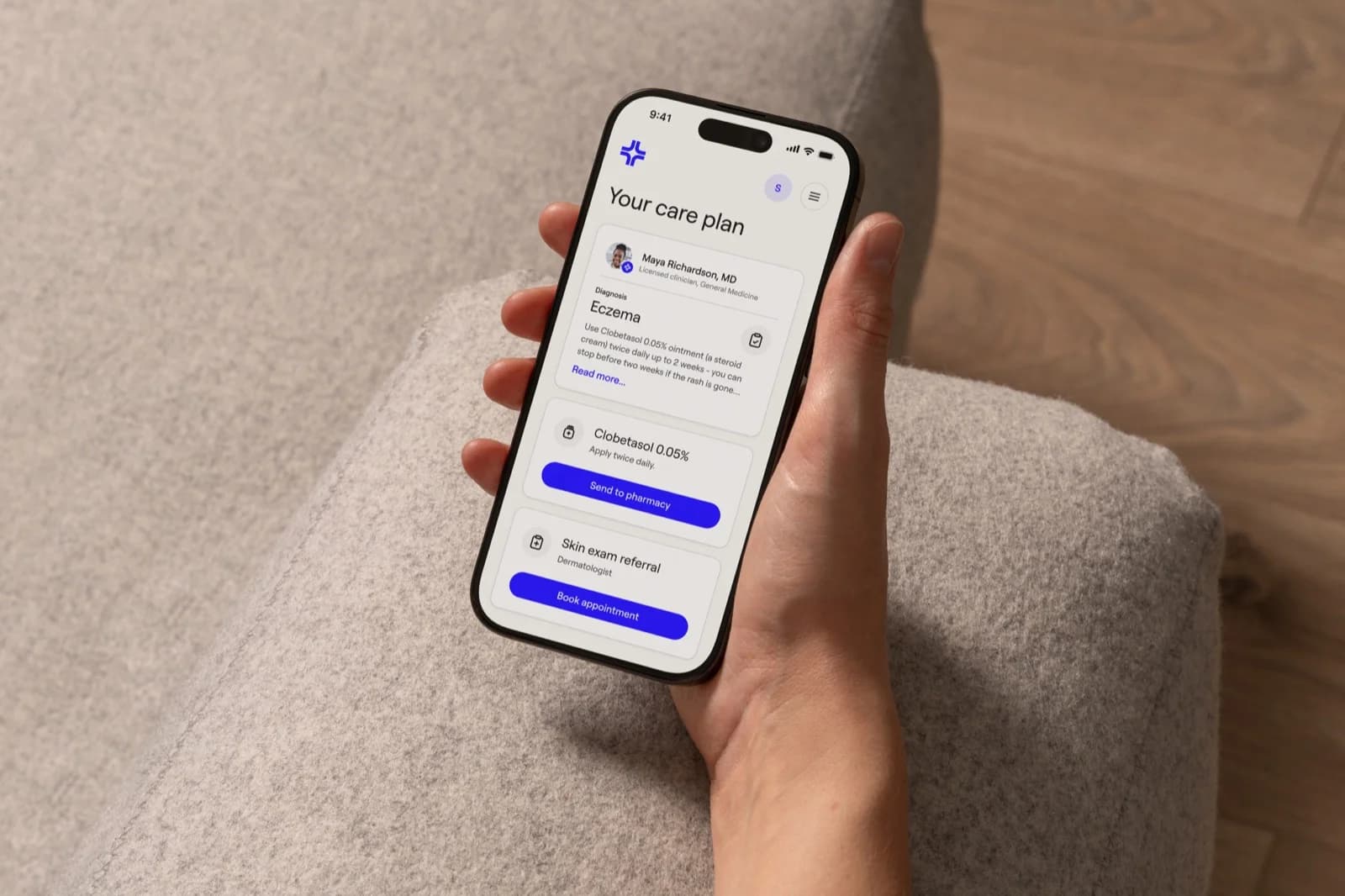
Get your care plan
Leave with a prescription for ear drops if appropriate.
4
Own your health
Follow up if symptoms don't improve.

All your care in one place. That’s the General Medicine difference.
We help you understand your options, connect you to the right clinicians, manage prescriptions, coordinate any needed evaluations, and keep an eye on your overall health along the way. It’s comprehensive care that looks at the full picture — your goals, your history, your lifestyle — and makes it simple to move forward with confidence.

Is a swimmer's ear visit right for you?
Swimmer's ear usually responds quickly to the right treatment once it's identified.
You have ear pain or itching that started after swimming or water exposure
You've noticed drainage or a feeling of fullness in your ear
Pulling on your ear or jaw movement makes the pain worse
Symptoms have lasted more than a couple of days without improving
You're not sure if it's swimmer's ear or a different ear issue
What our customers have to say
“I feel like I’m finally on the right path to improving my health with the right support now! It’s so refreshing and reassuring.”
Emerald
“My experience with General Medicine was amazing. The understanding and care that was taken to figure out what is exactly going on with me. I feel like a weight has been lifted off of me.”
Kaylee
“I couldn’t be happier with my experience with General Medicine! They are fast, responsive, kind and knowledgeable. It is much easier, more affordable and faster.”
Nika
Get relief for your ear
More everyday care
Frequently asked questions
What causes swimmer's ear?
Trapped water in the ear canal creates a warm, moist environment where bacteria or fungus can grow, leading to infection and inflammation of the outer ear canal. This is different from a typical cold-related ear infection, which develops through a different mechanism.
How is swimmer's ear different from a regular ear infection?
Swimmer's ear affects the outer ear canal, while a typical "ear infection" usually refers to the middle ear — pain that worsens when you tug your ear or move your jaw points more toward swimmer's ear. Your clinician will ask about your symptoms and history to help narrow it down, and can refer you for an in-person exam if a closer look is needed to confirm the diagnosis before starting treatment.
How long does treatment take to work?
Most people notice improvement within a few days of starting prescription ear drops, with full resolution typically taking about a week of consistent use. Finishing the full course of drops even after symptoms improve helps prevent recurrence. Your clinician will let you know if a follow-up check is needed.
Can I prevent swimmer's ear in the future?
Drying your ears thoroughly after swimming, tilting your head to let water drain, and using preventive drops can help reduce how often it comes back. Custom or over-the-counter earplugs can also help if you swim frequently. Over-the-counter preventive drops after swimming can be a simple, effective habit.
What side effects are associated with swimmer's ear treatments?
Mild stinging or irritation when applying the drops is common and usually brief, resolving within a minute or two after each application. Your clinician will explain how to use the drops properly to minimize this.