General
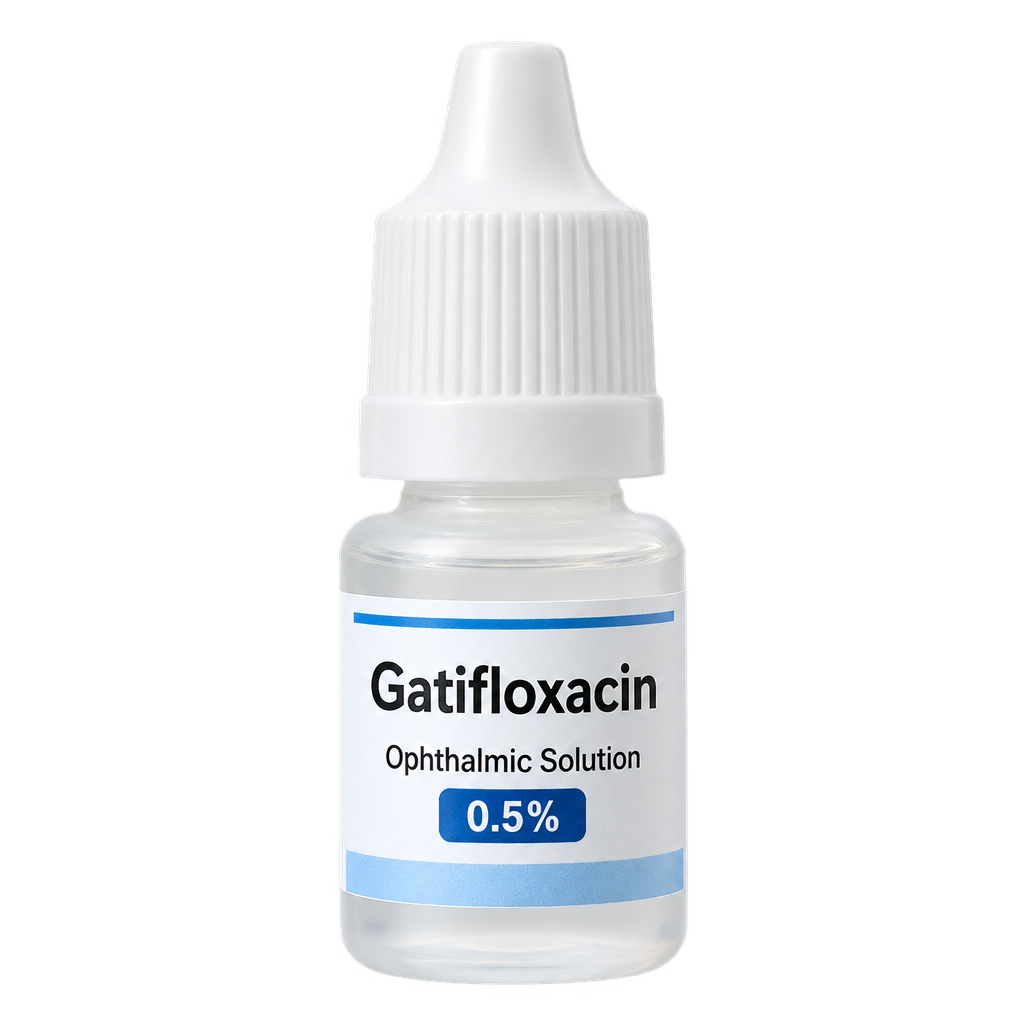
Zymaxid (Gatifloxacin)
Virtual visit

Zymaxid (Gatifloxacin)

With our quick and easy online prescription process, you can manage your health effortlessly — whether you need a first-time prescription for Zymaxid (Gatifloxacin) or a refill of an existing one.

Licensed providers in all 50 states

Expert-guided, evidence-based treatments

Skip the trip to the doctor's office

Visit options

Costs shown are for the visit only. You'll pay for medication at your preferred pharmacy.

Video Visit

$25

Est. or $100 w/o insurance

Most insurance accepted

Board-certified

No hidden fees

Available nationwide

What is Zymaxid (Gatifloxacin)?

Zymaxid is a prescription antibiotic eye drop containing gatifloxacin, a fourth-generation fluoroquinolone, used to treat bacterial conjunctivitis. It works by blocking two bacterial enzymes essential to DNA replication and repair, killing the bacteria causing the infection. Its fourth-generation status means it has enhanced activity against a broader range of bacteria—including strains that have developed resistance to older fluoroquinolone antibiotics. It's applied directly to the infected eye multiple times daily, with frequency tapering as the infection resolves over the treatment course.

Dual topoisomerase inhibition

Simultaneously blocks both DNA gyrase and topoisomerase IV—the two bacterial enzymes responsible for DNA replication and repair—making it harder for bacteria to develop resistance than with antibiotics that target only one enzyme.

Fourth-generation fluoroquinolone coverage

Enhanced spectrum compared to earlier fluoroquinolones, with activity against a broader range of gram-positive and gram-negative ocular pathogens, including some resistant strains.

Direct ocular delivery

Applied as drops to the eye surface, Zymaxid achieves high local antibiotic concentrations exactly at the site of infection—resolving bacterial conjunctivitis quickly with a short, targeted treatment course.

Virtual visit with clinician

Ongoing support, always available.

You’ll be supported by experienced clinicians who care for a wide range of health needs, from everyday concerns to more complex conditions.

Our clinicians track your progress over time and adjust your care as needed. If medication is prescribed, we’ll manage dosing and monitor for side effects. If lab testing is recommended, we review results and refine your plan accordingly. You’re never left to navigate care on your own.

All your care in one place. That’s the General Medicine difference.

We help you understand your options, connect you to the right clinicians, manage prescriptions, coordinate any needed evaluations, and keep an eye on your overall health along the way. It’s comprehensive care that looks at the full picture — your goals, your history, your lifestyle — and makes it simple to move forward with confidence.

Your care plan
Clinician

What our customers have to say

I feel like I’m finally on the right path to improving my health with the right support now! It’s so refreshing and reassuring.

Emerald

My experience with General Medicine was amazing. The understanding and care that was taken to figure out what is exactly going on with me. I feel like a weight has been lifted off of me.

Kaylee

I couldn’t be happier with my experience with General Medicine! They are fast, responsive, kind and knowledgeable. It is much easier, more affordable and faster.

Nika

Get the care you need, without the wait.

Frequently Asked Questions

What eye condition is Zymaxid used for?

Zymaxid is a prescription antibiotic eye drop used to treat bacterial conjunctivitis — bacterial pink eye. It provides broad-spectrum coverage and is applied multiple times daily over a short treatment course.

How quickly will my eye infection improve?

Most bacterial eye infections begin responding to Zymaxid within 1–2 days. If symptoms aren't improving after 2–3 days or are worsening, contact your clinician — viral or allergic conjunctivitis won't respond to antibiotics.

Do I need to finish the full course even if my eye feels better?

Yes. Stopping early can allow remaining bacteria to persist and may promote antibiotic resistance. Complete the full prescribed course even when the eye appears to have fully cleared.

What side effects might I experience?

Temporary stinging or burning on instillation is common. Eye redness, itching, and brief blurred vision after application can also occur — these typically resolve quickly and are not a reason to stop treatment.

Can I wear contact lenses while using Zymaxid?

Avoid contact lenses during an active eye infection and while using antibiotic eye drops. The infection itself, not just the medication, requires contact lens avoidance. Your clinician will advise when it's safe to resume.
Logo

© 2026 Path Healthcare Systems Corp.