Logo
Sucralfate (Carafate)
Virtual visit

Sucralfate (Carafate)

With our quick and easy online prescription process, you can manage your health effortlessly — whether you need a first-time prescription for Sucralfate (Carafate) or a refill of an existing one.

Licensed providers in all 50 states

Expert-guided, evidence-based treatments

Skip the trip to the doctor's office

Visit options

Costs shown are for the visit only. You'll pay for medication at your preferred pharmacy.

Video Visit

$25

Est. or $100 w/o insurance

Chat Visit

$30

w/o insurance

Most insurance accepted

Board-certified

No hidden fees

Available nationwide

What is Sucralfate (Carafate)?

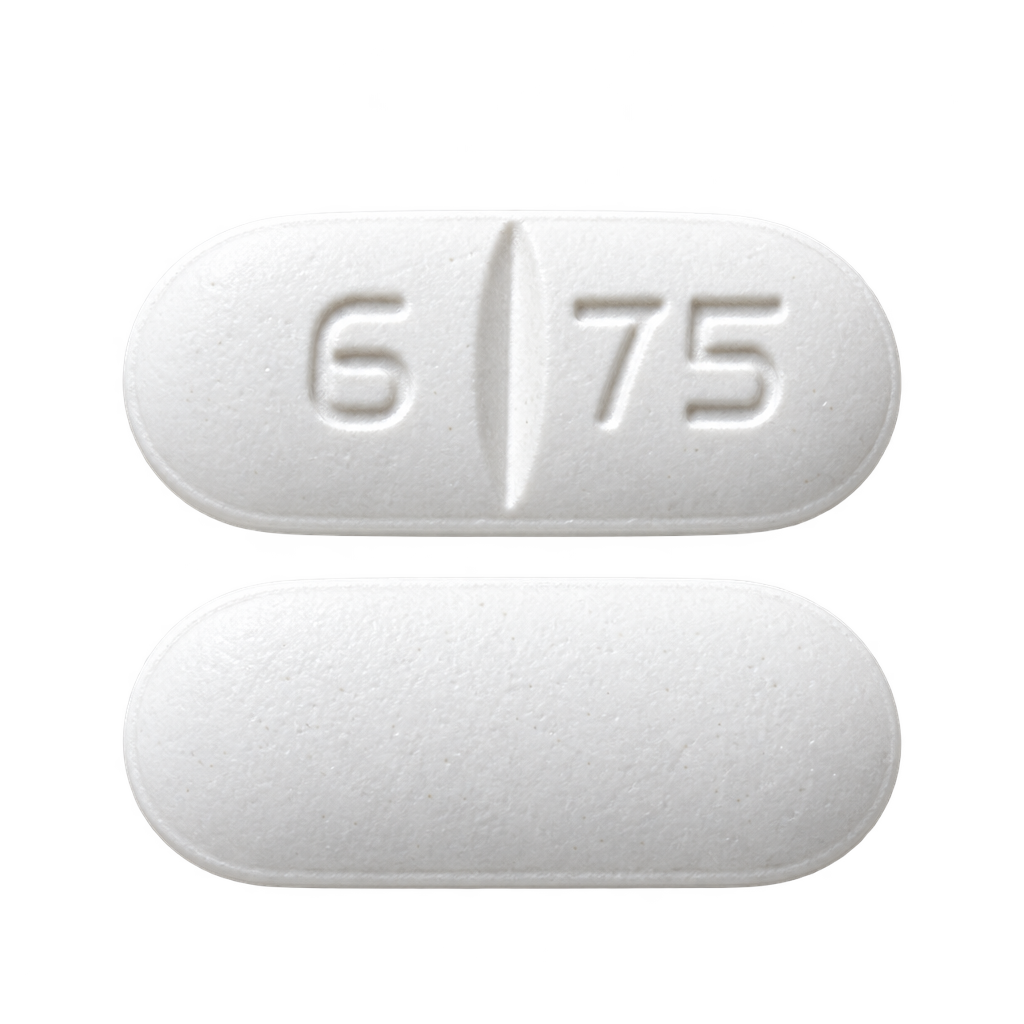
Sucralfate is a prescription medication used to treat and prevent duodenal ulcers by forming a protective coating over the ulcer site rather than reducing stomach acid. When it comes into contact with the acidic environment of the stomach, it becomes a sticky, paste-like substance that adheres selectively to ulcerated tissue—creating a physical barrier that shields the wound from acid, pepsin, and bile while healing takes place. It's taken on an empty stomach, 1 hour before meals and at bedtime, and is particularly valued as a non-systemic option that works locally without significant absorption into the bloodstream.

Ulcer-selective protective barrier

In the acidic stomach environment, Sucralfate polymerizes into a viscous gel that binds preferentially to damaged mucosal tissue—forming a physical shield over the ulcer that protects it from further acid and pepsin injury during healing.

Non-acid-suppressing mechanism

Works independently of acid production—rather than reducing stomach acid like PPIs or H2 blockers, Sucralfate protects the ulcer from the acid that's already present, offering a complementary approach to ulcer management.

Minimal systemic absorption

Less than 5% of Sucralfate is absorbed into the bloodstream, meaning its protective action is almost entirely local—making it safe for patients who need to avoid systemic medications or who have concerns about drug interactions.

Virtual visit with clinician

Ongoing support, always available.

You’ll be supported by experienced clinicians who care for a wide range of health needs, from everyday concerns to more complex conditions.

Our clinicians track your progress over time and adjust your care as needed. If medication is prescribed, we’ll manage dosing and monitor for side effects. If lab testing is recommended, we review results and refine your plan accordingly. You’re never left to navigate care on your own.

All your care in one place. That’s the General Medicine difference.

We help you understand your options, connect you to the right clinicians, manage prescriptions, coordinate any needed evaluations, and keep an eye on your overall health along the way. It’s comprehensive care that looks at the full picture — your goals, your history, your lifestyle — and makes it simple to move forward with confidence.

Your care plan
Clinician

What our customers have to say

I feel like I’m finally on the right path to improving my health with the right support now! It’s so refreshing and reassuring.

Emerald

My experience with General Medicine was amazing. The understanding and care that was taken to figure out what is exactly going on with me. I feel like a weight has been lifted off of me.

Kaylee

I couldn’t be happier with my experience with General Medicine! They are fast, responsive, kind and knowledgeable. It is much easier, more affordable and faster.

Nika

Get the care you need, without the wait.

Frequently Asked Questions

How is Carafate different from antacids or PPIs?

Carafate doesn't reduce stomach acid — it forms a protective coating over the ulcer itself, shielding it from acid and digestive enzymes while healing occurs. It's a different mechanism that can complement acid-reducing therapy.

Why do I need to take it on an empty stomach?

Sucralfate works by adhering to the ulcer site in the acidic stomach environment. Taking it 1 hour before meals or at bedtime on an empty stomach ensures it reaches and coats the ulcer before food dilutes its effect.

How long do I need to take Carafate?

Most duodenal ulcer treatment courses last 4–8 weeks. Maintenance therapy may be recommended for people with recurrent ulcers. Your clinician will determine the appropriate duration based on healing confirmation.

What side effects might I experience?

Constipation is the most commonly reported side effect — occurring in about 2% of people. Dry mouth, nausea, indigestion, and dizziness have also been reported. Serious side effects are uncommon given minimal systemic absorption.

Can Carafate interfere with other medications?

Yes. Sucralfate can bind to other medications in the stomach and reduce their absorption. Take other medications at least 2 hours before or after Carafate — particularly antibiotics, digoxin, and fluoroquinolones.
Logo

© 2026 Path Healthcare Systems Corp.