


Overactive bladder
Frequent, sudden urges to go (sometimes with leakage in between) are the hallmark of overactive bladder. It can really cut into daily life, but it's a medical condition with real treatment options, not something to just live with.
1:1 virtual visit with a clinician experienced in urology and bladder health
Insurance accepted, with clear pricing per visit
A care plan built from your full health history
Visit options
We'll check any insurance and show you your options before you book.
Video Visit
$25
Est. or $100 w/o insurance
Chat Visit
$30
w/o insurance
Most insurance accepted
Board-certified clinicians
No hidden fees
Available nationwide
What to expect from an Overactive Bladder visit
1
Share your health story
Answer a few questions about your goals and concerns. And, we'll gather your full health history from past providers.
2
Meet your clinician
Pick a time that works for you to speak with a licensed clinician. They'll review your health story beforehand, so your visit can be used to listen and dig deeper.
3
Get your care plan
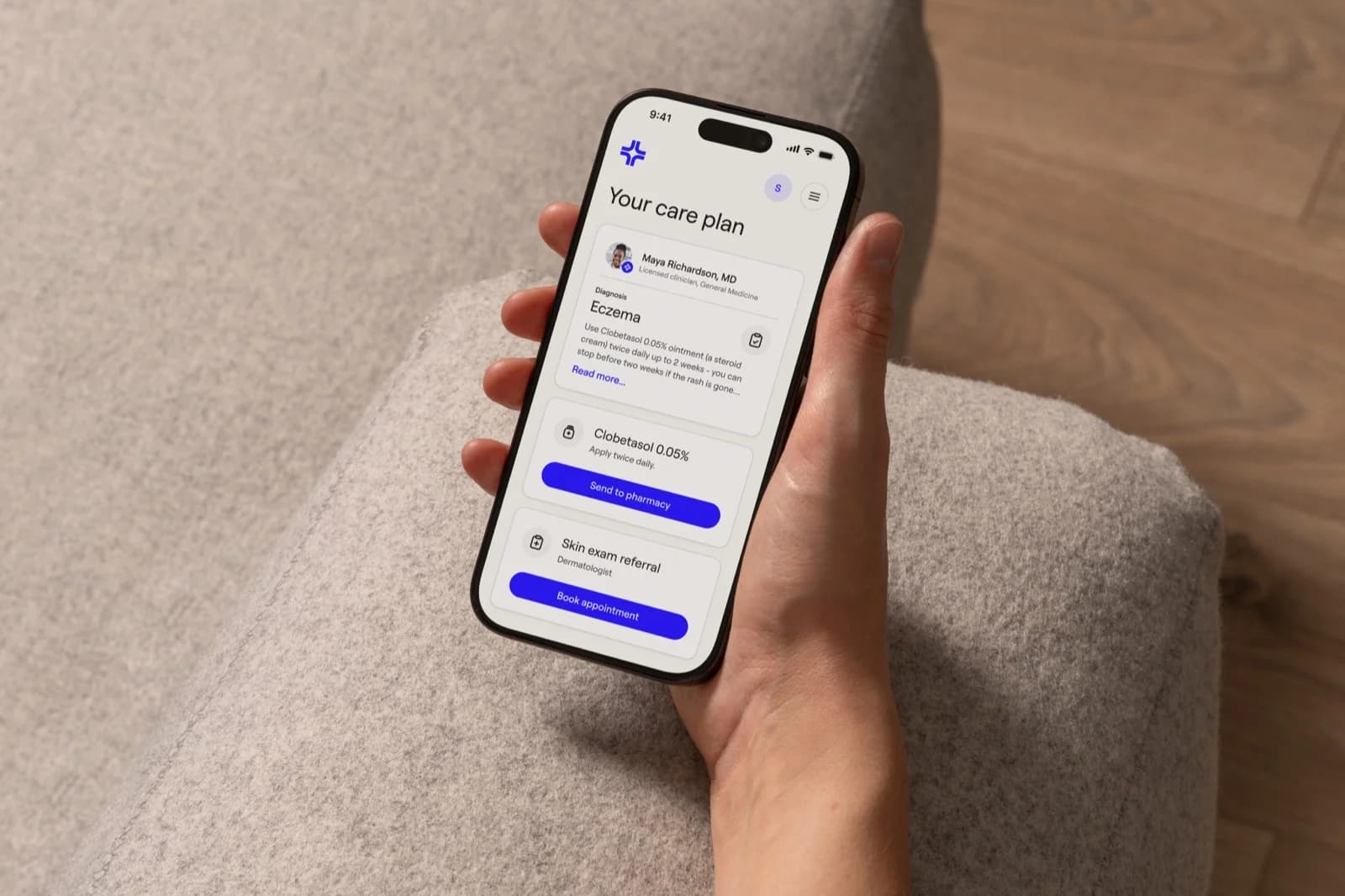
Leave with clear next steps and a personalized care plan. If you need medication, labs, or to see a specialist, your clinician will take care of the details for you.
4
Own your health
Track your progress, schedule follow-ups, and adjust care as your needs evolve. Your care team and General AI is only a few taps away.


Ongoing support, always available.
You’ll be supported by experienced clinicians who care for a wide range of health needs, from everyday concerns to more complex conditions.
Our clinicians track your progress over time and adjust your care as needed. If medication is prescribed, we’ll manage dosing and monitor for side effects. If lab testing is recommended, we review results and refine your plan accordingly. You’re never left to navigate care on your own.
All your care in one place. That’s the General Medicine difference.
We help you understand your options, connect you to the right clinicians, manage prescriptions, coordinate any needed evaluations, and keep an eye on your overall health along the way. It’s comprehensive care that looks at the full picture — your goals, your history, your lifestyle — and makes it simple to move forward with confidence.

Reasons to book your overactive bladder visit
Urgency and frequent trips to the bathroom don't have to run your life. This visit helps identify what's driving your symptoms and what can help.
You feel a sudden, urgent need to urinate that's hard to control
You're urinating 8 or more times per day
You're waking up more than once a night to use the bathroom
You've had leakage when you can't get to the bathroom in time
Bladder urgency is affecting your work, travel, or social life
You want to know if medication or behavioral strategies could help
What our customers have to say
“I feel like I’m finally on the right path to improving my health with the right support now! It’s so refreshing and reassuring.”
Emerald
“My experience with General Medicine was amazing. The understanding and care that was taken to figure out what is exactly going on with me. I feel like a weight has been lifted off of me.”
Kaylee
“I couldn’t be happier with my experience with General Medicine! They are fast, responsive, kind and knowledgeable. It is much easier, more affordable and faster.”
Nika