
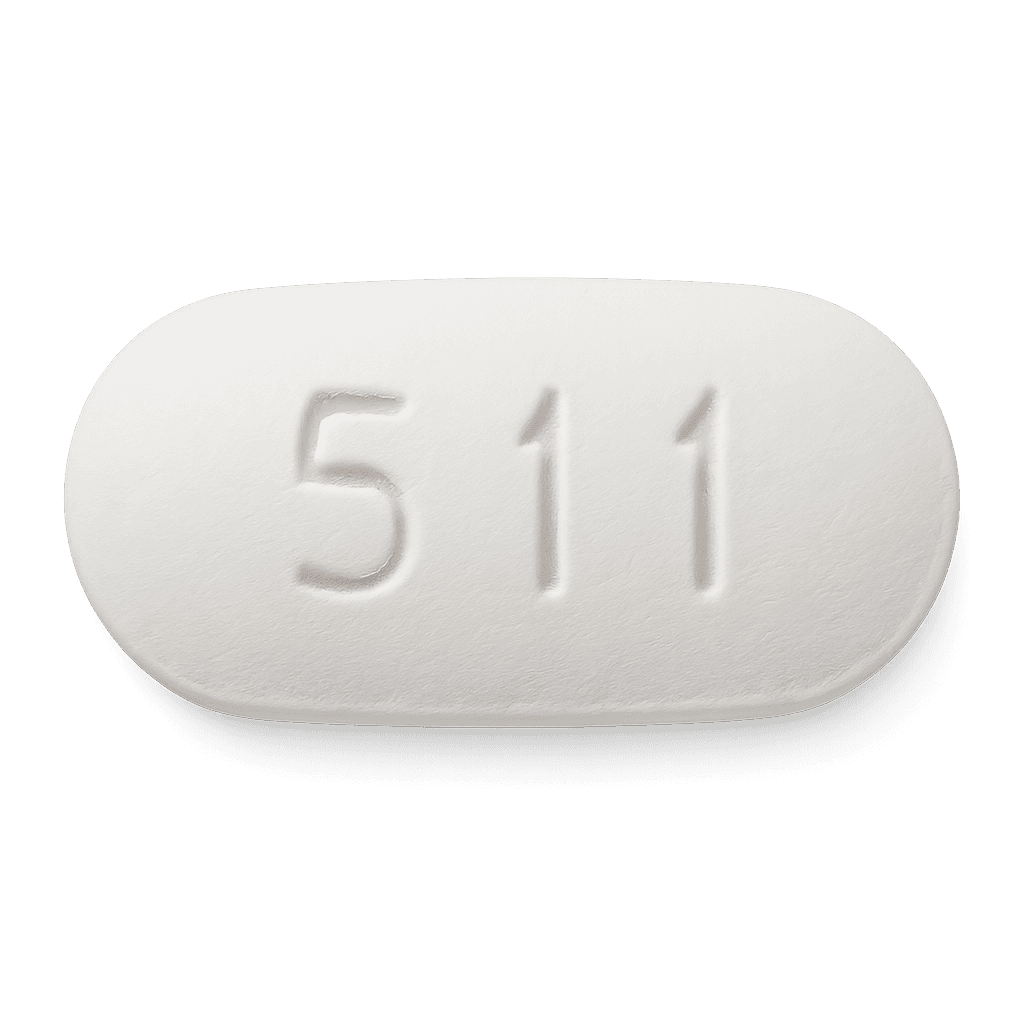
Minocin (minocycline)
Licensed providers in all 50 states
Expert-guided, evidence-based treatments
Skip the trip to the doctor's office
Visit options
Costs shown are for the visit only. You'll pay for medication at your preferred pharmacy.
Video Visit
$25
Est. or $100 w/o insurance
Most insurance accepted
Board-certified
No hidden fees
Available nationwide
What is Minocin (minocycline)?

Bacterial ribosomal inhibition
Binds reversibly to the 30S ribosomal subunit, blocking aminoacyl-tRNA binding and preventing the elongation of bacterial protein chains—halting bacterial growth in a broad range of gram-positive and gram-negative organisms.
Superior tissue and skin penetration
Minocycline's high lipophilicity allows it to penetrate sebaceous glands, skin tissue, and other lipid-rich environments more effectively than other tetracyclines—explaining its particular efficacy for acne and skin infections.
Anti-inflammatory properties
Beyond antibacterial activity, Minocycline inhibits neutrophil chemotaxis, matrix metalloproteinases, and pro-inflammatory cytokines—providing additional anti-inflammatory benefit relevant to acne, rosacea, and some autoimmune conditions.

Ongoing support, always available.
You’ll be supported by experienced clinicians who care for a wide range of health needs, from everyday concerns to more complex conditions.
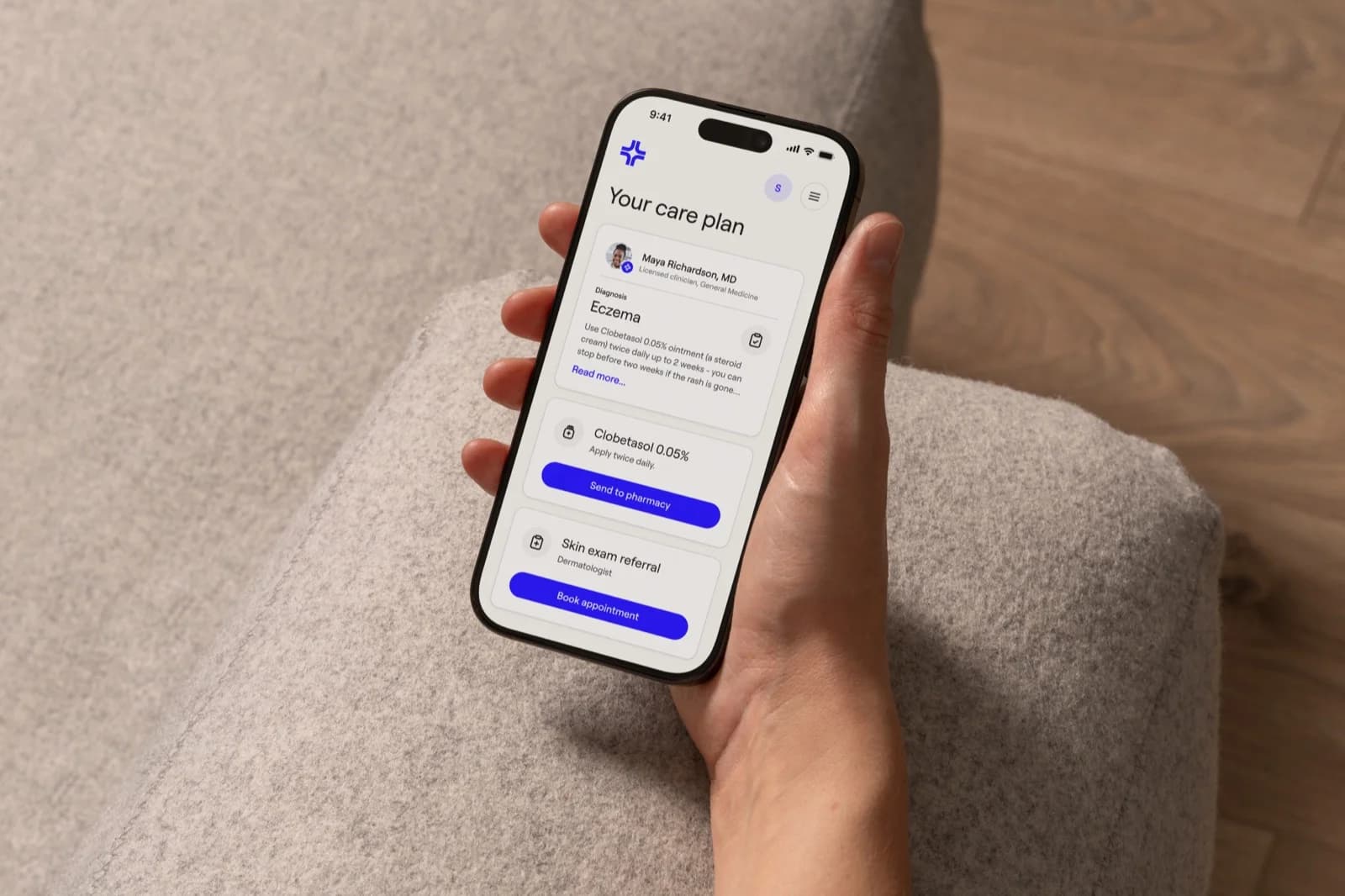
Our clinicians track your progress over time and adjust your care as needed. If medication is prescribed, we’ll manage dosing and monitor for side effects. If lab testing is recommended, we review results and refine your plan accordingly. You’re never left to navigate care on your own.
All your care in one place. That’s the General Medicine difference.
We help you understand your options, connect you to the right clinicians, manage prescriptions, coordinate any needed evaluations, and keep an eye on your overall health along the way. It’s comprehensive care that looks at the full picture — your goals, your history, your lifestyle — and makes it simple to move forward with confidence.

What our customers have to say
“I feel like I’m finally on the right path to improving my health with the right support now! It’s so refreshing and reassuring.”
Emerald
“My experience with General Medicine was amazing. The understanding and care that was taken to figure out what is exactly going on with me. I feel like a weight has been lifted off of me.”
Kaylee
“I couldn’t be happier with my experience with General Medicine! They are fast, responsive, kind and knowledgeable. It is much easier, more affordable and faster.”
Nika
Get the care you need, without the wait.
Frequently Asked Questions
What conditions is Minocin used for?
How long does it take Minocin to clear acne?
Why should I avoid lying down after taking Minocin?
What side effects might I experience?
Can I take Minocin with dairy or antacids?
Our service
Support


© 2026 Path Healthcare Systems Corp.
© 2026 Path Healthcare Systems Corp.
Our service
Support
General Medicine HQ