

Low Libido (Women) Consult
Licensed providers in all 50 states
Expert-guided, evidence-based treatments
Skip the trip to the doctor's office
Visit options
We'll check any insurance and show you your options before you book.
Video Visit
$25
Est. or $100 w/o insurance
Most insurance accepted
Board-certified
No hidden fees
Available nationwide
What to expect from a Low Libido (Women) Consult visit
1
Share your health story
Answer a few questions about your goals and concerns. And, we'll gather your full health history from past providers.
2
Meet your clinician
Pick a time that works for you to speak with a licensed clinician. They'll review your health story beforehand, so your visit can be used to listen and dig deeper.
3
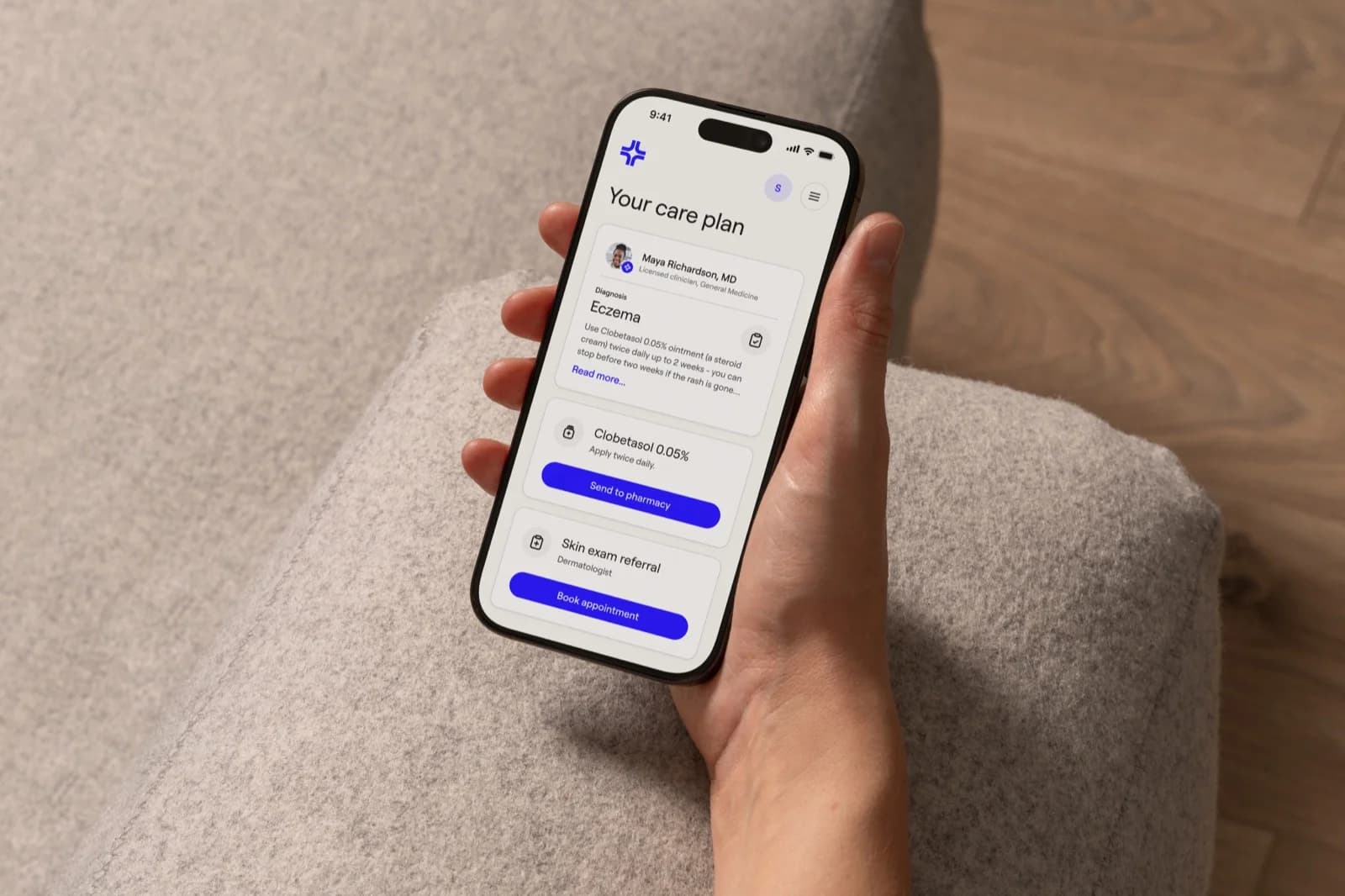
Get your care plan
Leave with clear next steps and a personalized care plan. If you need medication, labs, or to see a specialist, your clinician will take care of the details for you.
4
Own your health
Track your progress, schedule follow-ups, and adjust care as your needs evolve. Your care team and General AI is only a few taps away.


Ongoing support, always available.
You’ll be supported by experienced clinicians who care for a wide range of health needs, from everyday concerns to more complex conditions.
Our clinicians track your progress over time and adjust your care as needed. If medication is prescribed, we’ll manage dosing and monitor for side effects. If lab testing is recommended, we review results and refine your plan accordingly. You’re never left to navigate care on your own.
All your care in one place. That’s the General Medicine difference.
We help you understand your options, connect you to the right clinicians, manage prescriptions, coordinate any needed evaluations, and keep an eye on your overall health along the way. It’s comprehensive care that looks at the full picture — your goals, your history, your lifestyle — and makes it simple to move forward with confidence.

Reasons to book your low libido visit
Low sexual desire that's bothering you is worth talking about. This visit explores the physical, hormonal, and psychological factors that might be involved — without judgment.
Your interest in sex has decreased noticeably and it's affecting you or your relationship
Libido changed after starting a new medication, having a baby, or entering perimenopause
You feel physically well but have little to no desire for sex
You want to know if hormonal testing is appropriate for your situation
You're curious about treatment options including testosterone therapy or flibanserin
You want a clinician-guided conversation about what might help
What our customers have to say
“I feel like I’m finally on the right path to improving my health with the right support now! It’s so refreshing and reassuring.”
Emerald
“My experience with General Medicine was amazing. The understanding and care that was taken to figure out what is exactly going on with me. I feel like a weight has been lifted off of me.”
Kaylee
“I couldn’t be happier with my experience with General Medicine! They are fast, responsive, kind and knowledgeable. It is much easier, more affordable and faster.”
Nika