Logo
Lithobid (Lithium carbonate)
Virtual visit

Lithobid (Lithium carbonate)

With our quick and easy online prescription process, you can manage your health effortlessly — whether you need a first-time prescription for Lithobid (Lithium carbonate) or a refill of an existing one.

Licensed providers in all 50 states

Expert-guided, evidence-based treatments

Skip the trip to the doctor's office

Visit options

Costs shown are for the visit only. You'll pay for medication at your preferred pharmacy.

Video Visit

$25

Est. or $100 w/o insurance

Chat Visit

$30

w/o insurance

Most insurance accepted

Board-certified

No hidden fees

Available nationwide

What is Lithobid (Lithium carbonate)?

Lithobid is an extended-release formulation of lithium carbonate, one of the oldest and most effective mood stabilizers used in the treatment of bipolar disorder. Lithium helps prevent both the manic and depressive episodes of bipolar disorder and is particularly effective at reducing the risk of suicide in patients with mood disorders. Its exact mechanism isn't fully understood, but it modulates multiple neurotransmitter systems and intracellular signaling pathways that regulate mood. Because lithium has a narrow therapeutic window, regular blood level monitoring is essential to stay within the effective and safe range.

Multi-target mood stabilization

Modulates serotonin, dopamine, and glutamate signaling while also inhibiting intracellular enzymes like GSK-3β and inositol pathways—producing broad neurochemical stabilization across the systems that regulate mood and emotional reactivity.

Antimanic and antidepressant efficacy

Effectively treats and prevents both poles of bipolar disorder—the euphoric, impulsive highs of mania and the disabling lows of bipolar depression—in a way that most other mood stabilizers do not match.

Antisuicidal properties

Strong clinical evidence supports lithium's unique ability to reduce suicidal ideation and suicide attempts in patients with mood disorders—a benefit that goes beyond mood stabilization and is not reliably replicated by other treatments.

Virtual visit with clinician

Ongoing support, always available.

You’ll be supported by experienced clinicians who care for a wide range of health needs, from everyday concerns to more complex conditions.

Our clinicians track your progress over time and adjust your care as needed. If medication is prescribed, we’ll manage dosing and monitor for side effects. If lab testing is recommended, we review results and refine your plan accordingly. You’re never left to navigate care on your own.

All your care in one place. That’s the General Medicine difference.

We help you understand your options, connect you to the right clinicians, manage prescriptions, coordinate any needed evaluations, and keep an eye on your overall health along the way. It’s comprehensive care that looks at the full picture — your goals, your history, your lifestyle — and makes it simple to move forward with confidence.

Your care plan
Clinician

What our customers have to say

I feel like I’m finally on the right path to improving my health with the right support now! It’s so refreshing and reassuring.

Emerald

My experience with General Medicine was amazing. The understanding and care that was taken to figure out what is exactly going on with me. I feel like a weight has been lifted off of me.

Kaylee

I couldn’t be happier with my experience with General Medicine! They are fast, responsive, kind and knowledgeable. It is much easier, more affordable and faster.

Nika

Get the care you need, without the wait.

Frequently Asked Questions

How long before Lithobid stabilizes my mood?

For acute mania, meaningful improvement may be noticed within 1–2 weeks. For long-term mood stabilization in bipolar disorder — particularly preventing depressive episodes — full benefit typically takes several months to establish.

Why do I need regular blood tests on Lithobid?

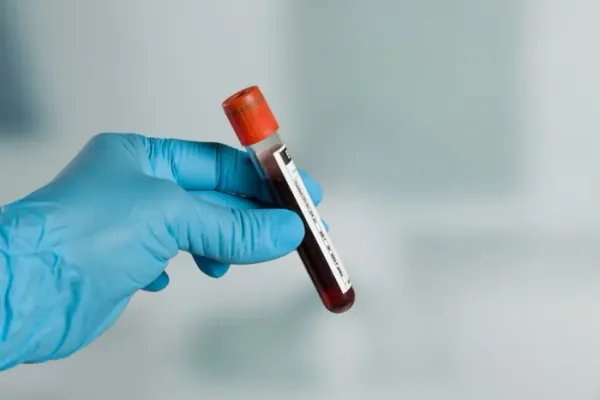
Lithium has a narrow therapeutic window — levels too low provide no benefit, levels too high cause toxicity. Regular blood level monitoring is essential, along with kidney and thyroid function checks with long-term use.

What are the signs of lithium toxicity?

Early signs include tremor, nausea, diarrhea, and drowsiness. More serious toxicity causes confusion, ataxia, and seizures. Dehydration and sodium depletion — from sweating, illness, or dietary changes — can rapidly raise lithium to toxic levels.

What side effects might I experience?

Tremor, increased thirst and urination, weight gain, and memory or cognitive dulling are the most common with long-term use. Many of these are dose-dependent and may improve with dose adjustment or extended-release formulations.

Does lithium affect the thyroid or kidneys long-term?

Yes. Long-term lithium use can cause hypothyroidism in some patients and gradually affects kidney function over many years of use. Regular monitoring of thyroid and kidney function is an essential part of long-term lithium management.
Logo

© 2026 Path Healthcare Systems Corp.