General
Insulin
Virtual visit

Insulin

Need help with your insulin? Our expert medical team is here to provide clarity, answer your questions, and create a personalized treatment plan—all from the comfort of your home through a video consultation.

Licensed providers in all 50 states

Expert-guided, evidence-based treatments

Skip the trip to the doctor's office

Visit options

Costs shown are for the visit only. You'll pay for medication at your preferred pharmacy.

Video Visit

$25

Est. or $100 w/o insurance

Most insurance accepted

Board-certified

No hidden fees

Available nationwide

What is Insulin?

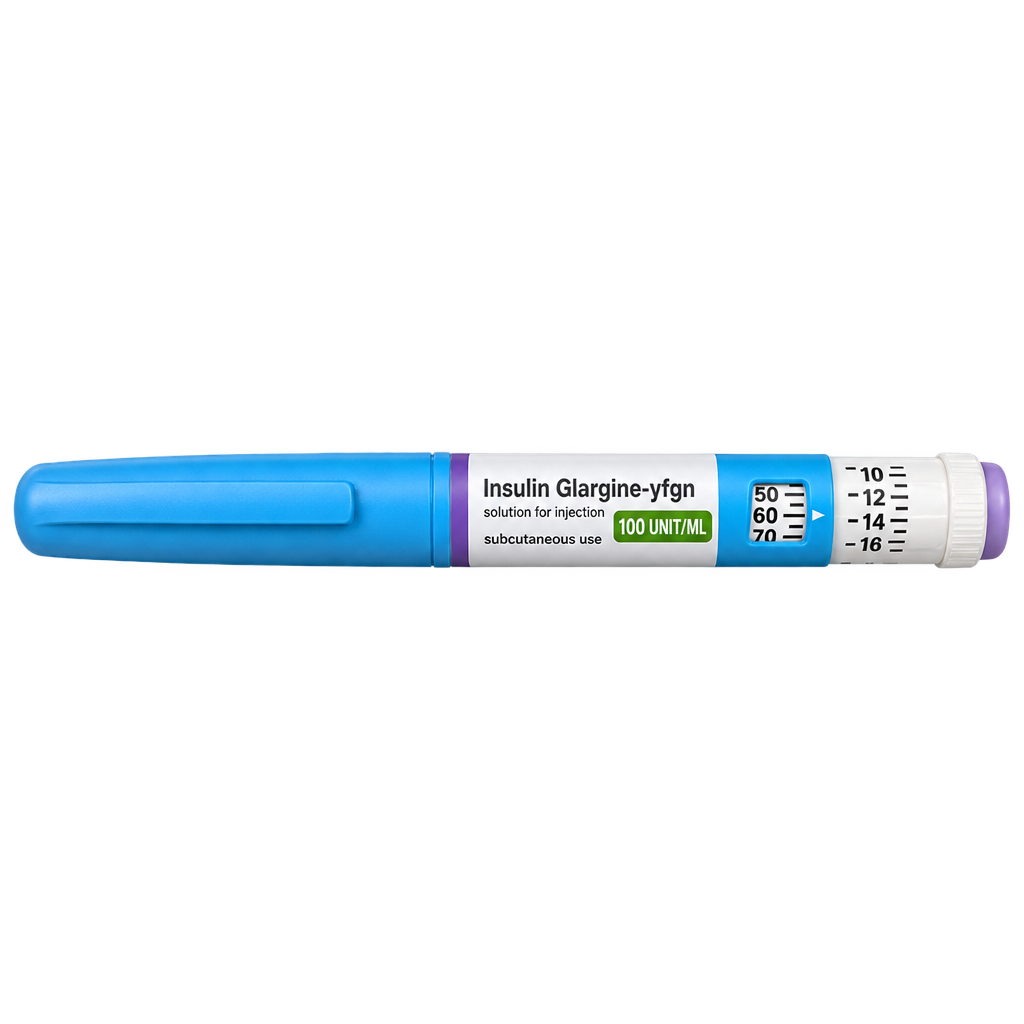
Insulin is a hormone-based medication used to manage blood sugar in people with Type 1 diabetes (who produce no insulin) and in people with Type 2 diabetes who require insulin to supplement what their body produces. It replaces or supplements the natural insulin the pancreas either can't make or can't make in sufficient quantities, allowing cells throughout the body to absorb glucose from the bloodstream for energy. Insulin comes in many formulations—rapid-, short-, intermediate-, and long-acting—each designed to match different aspects of the body's insulin needs throughout the day and around meals.

Cellular glucose uptake

Binds to insulin receptors on muscle, fat, and liver cells, signaling them to absorb glucose from the bloodstream—directly lowering blood sugar by enabling cells to take in and use the energy from food.

Multiple formulation types

Available in rapid-acting, short-acting, intermediate-acting, and long-acting formulations—each with a different onset, peak, and duration—allowing treatment regimens to be tailored to closely mimic the body's natural insulin release patterns.

Essential Type 1 therapy

For people with Type 1 diabetes, insulin is not optional—it's life-sustaining. Without it, glucose accumulates to dangerous levels, and the body begins breaking down fat for fuel in a life-threatening process called diabetic ketoacidosis.

Virtual visit with clinician

Ongoing support, always available.

You’ll be supported by experienced clinicians who care for a wide range of health needs, from everyday concerns to more complex conditions.

Our clinicians track your progress over time and adjust your care as needed. If medication is prescribed, we’ll manage dosing and monitor for side effects. If lab testing is recommended, we review results and refine your plan accordingly. You’re never left to navigate care on your own.

All your care in one place. That’s the General Medicine difference.

We help you understand your options, connect you to the right clinicians, manage prescriptions, coordinate any needed evaluations, and keep an eye on your overall health along the way. It’s comprehensive care that looks at the full picture — your goals, your history, your lifestyle — and makes it simple to move forward with confidence.

Your care plan
Clinician

What our customers have to say

I feel like I’m finally on the right path to improving my health with the right support now! It’s so refreshing and reassuring.

Emerald

My experience with General Medicine was amazing. The understanding and care that was taken to figure out what is exactly going on with me. I feel like a weight has been lifted off of me.

Kaylee

I couldn’t be happier with my experience with General Medicine! They are fast, responsive, kind and knowledgeable. It is much easier, more affordable and faster.

Nika

Get the care you need, without the wait.

Frequently Asked Questions

How do I know which type of insulin I've been prescribed?

Insulin types vary by how fast they work and how long they last — rapid-acting, short-acting, intermediate, and long-acting. Your prescription label and clinician's instructions will specify the type, dose, timing, and how it fits into your overall regimen.

How should I store insulin?

Unopened insulin should be refrigerated. Once opened, most insulin formulations can be kept at room temperature — below 77°F — for 28 days. Never freeze insulin or expose it to direct sunlight or excessive heat.

What is hypoglycemia and how do I recognize it?

Hypoglycemia is low blood sugar — one of the most important insulin risks. Symptoms include shakiness, sweating, rapid heartbeat, confusion, and dizziness. Treat immediately with fast-acting glucose like juice or glucose tablets.

Can I inject insulin anywhere on my body?

Insulin should be injected into subcutaneous fat — the abdomen, thighs, upper arms, or buttocks. Rotating sites within the same region prevents lipodystrophy — hardened or lumpy tissue that affects absorption and should be avoided.

Will I need insulin forever?

For Type 1 diabetes, yes — insulin is essential and lifelong. For Type 2 diabetes, insulin need can sometimes be reduced or eliminated with significant weight loss, improved diet, and other medications, though this varies by individual.
Logo

© 2026 Path Healthcare Systems Corp.