


High blood pressure (hypertension)
Rarely causing symptoms on its own, high blood pressure tends to go unmanaged for exactly that reason. Consistent treatment and monitoring meaningfully lower the risk of serious cardiovascular events, and today's options make staying on top of it easier than ever.
1:1 virtual visit with a clinician experienced in cardiovascular health and blood pressure management
Insurance accepted, with clear pricing per visit
A care plan built from your full health history
Visit options
We'll check any insurance and show you your options before you book.
Video Visit
$25
Est. or $100 w/o insurance
Most insurance accepted
Board-certified clinicians
No hidden fees
Available nationwide
What to expect from a High Blood Pressure (Hypertension) visit
1
Share your health story
Answer a few questions about your goals and concerns. And, we'll gather your full health history from past providers.
2
Meet your clinician
Pick a time that works for you to speak with a licensed clinician. They'll review your health story beforehand, so your visit can be used to listen and dig deeper.
3
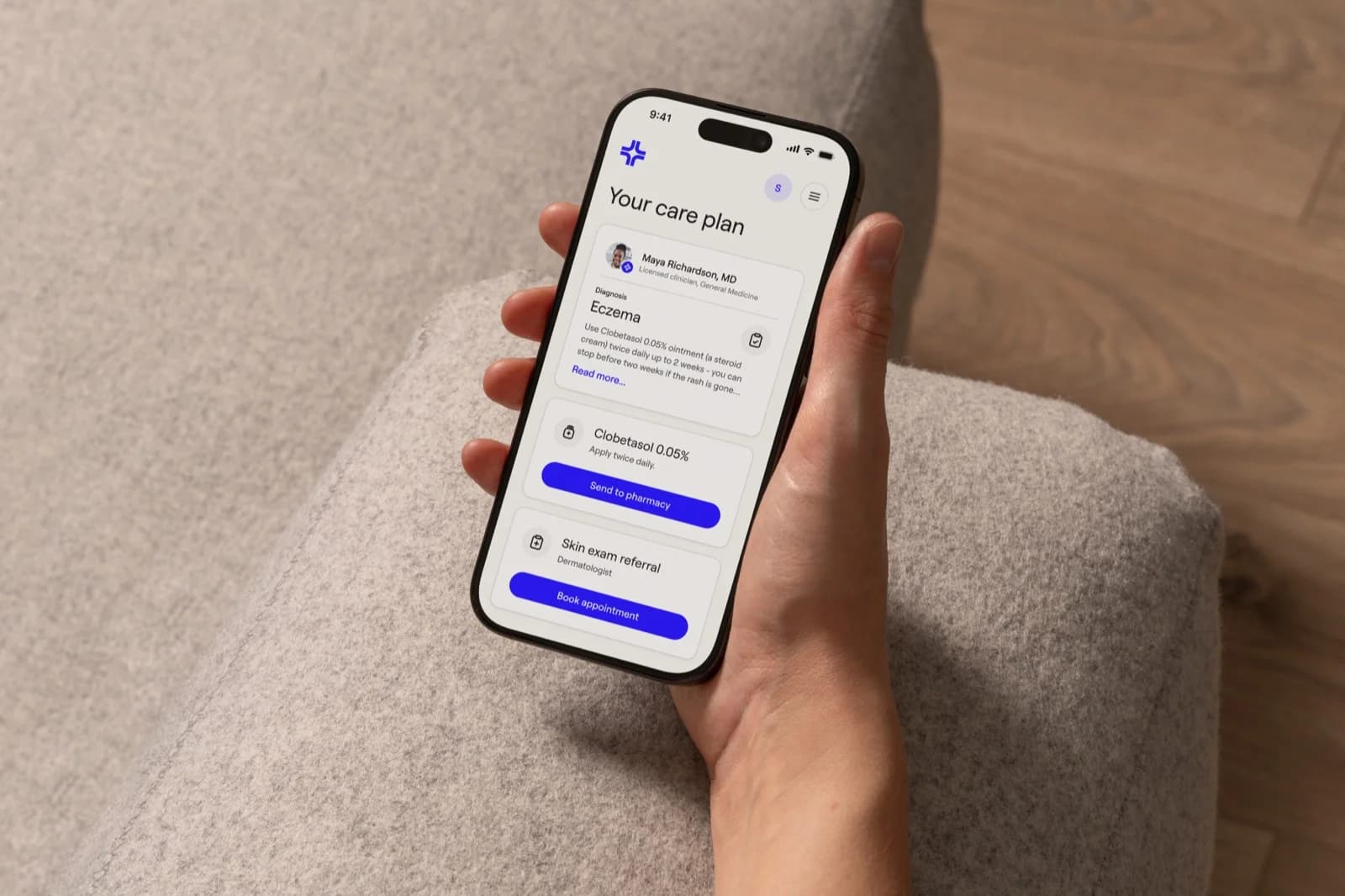
Get your care plan
Leave with clear next steps and a personalized care plan. If you need medication, labs, or to see a specialist, your clinician will take care of the details for you.
4
Own your health
Track your progress, schedule follow-ups, and adjust care as your needs evolve. Your care team and General AI is only a few taps away.

All your care in one place. That’s the General Medicine difference.
We help you understand your options, connect you to the right clinicians, manage prescriptions, coordinate any needed evaluations, and keep an eye on your overall health along the way. It’s comprehensive care that looks at the full picture — your goals, your history, your lifestyle — and makes it simple to move forward with confidence.

Reasons to book your high blood pressure visit
Blood pressure rarely causes symptoms — which is exactly why checking in matters. This visit helps you understand your numbers and act on them.
You received a high reading at a pharmacy or doctor's office
You haven't had your blood pressure checked in over a year
You have a family history of hypertension or heart disease
You're on medication but want to know if it's working well
You're experiencing headaches, dizziness, or visual changes
You want to understand your cardiovascular risk picture
What our customers have to say
“I feel like I’m finally on the right path to improving my health with the right support now! It’s so refreshing and reassuring.”
Emerald
“My experience with General Medicine was amazing. The understanding and care that was taken to figure out what is exactly going on with me. I feel like a weight has been lifted off of me.”
Kaylee
“I couldn’t be happier with my experience with General Medicine! They are fast, responsive, kind and knowledgeable. It is much easier, more affordable and faster.”
Nika
Get the care you need, without the wait.
Frequently asked questions
What blood pressure numbers are considered high?
A reading of 130/80 mmHg or higher on repeated measurements meets the current clinical threshold for hypertension. Readings between 120–129 systolic with normal diastolic are classified as elevated — a stage that benefits from lifestyle intervention before medication is needed.
Can high blood pressure be managed without medication?
For stage 1 hypertension without high cardiovascular risk, lifestyle changes — weight loss, sodium reduction, increased physical activity, limiting alcohol — can meaningfully lower blood pressure. Medication is typically recommended when lifestyle measures are insufficient or risk is elevated.
Does hypertension cause symptoms?
Hypertension is often called the "silent killer" because it rarely causes noticeable symptoms until complications develop. Regular monitoring is the only reliable way to detect it — which is why blood pressure screening is a routine part of clinical care.
How often do I need to monitor my blood pressure?
Frequency depends on your readings and treatment status. At-home monitoring — particularly morning and evening readings — provides more accurate data than occasional in-office checks and helps guide treatment decisions between visits.
What side effects are associated with blood pressure medications?
Side effects vary by class. ACE inhibitors can cause a dry cough. Calcium channel blockers may cause ankle swelling. Diuretics can affect electrolyte levels. Beta-blockers may cause fatigue. Most are well tolerated — your clinician will match the medication to your full health picture.