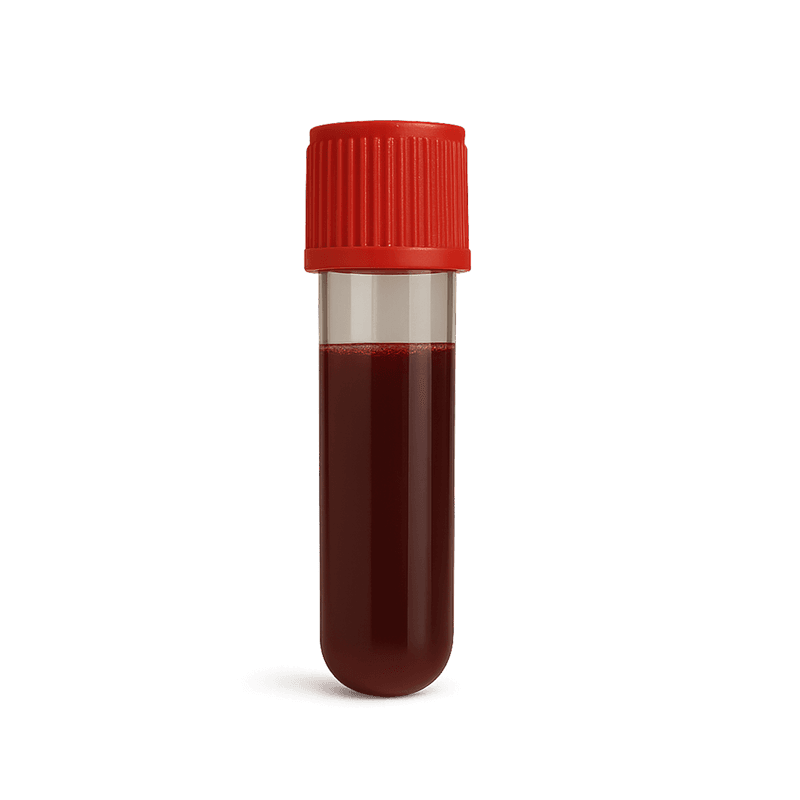
FSH test
Irregular periods are a common reason to check this hormone. This test measures FSH on its own — a hormone that helps regulate egg development and ovulation — and is also used as part of fertility evaluations.
Reviewed by a licensed clinician, with results typically back in 1 to 2 days
Hormonal birth control suppresses the hormones this test measures — for an accurate baseline, stop for about 3 cycles before testing
Menstrual cycle timing matters — test on day 2 to 4 for clearest results
Most insurance accepted
Board-certified clinicians
No hidden fees
Available nationwide
What is an FSH Test?

Ovarian reserve and fertility assessment
In women, FSH measured on day 2–3 of the menstrual cycle reflects how hard the pituitary is working to stimulate the ovaries. A rising FSH suggests declining ovarian reserve — a key marker in fertility evaluation that guides timing and treatment decisions.
Menopausal transition confirmation
Consistently elevated FSH — particularly above 25–30 IU/L combined with absent periods — is one of the primary hormonal indicators of menopause. It helps explain symptoms and supports clinical decision-making about hormone therapy.
Male reproductive evaluation
In men, elevated FSH indicates impaired sperm production at the testicular level — helping distinguish between primary testicular failure and other causes of male infertility, and guiding appropriate specialist referral and treatment options.
Complete insights in days
1
Book your test
Instantly schedule at 2,000+ labs nationwide, at a time that works for you. Most visits take 15 minutes or less, with both walk-ins and appointments available.
2
Get clinician-reviewed results
Your results are delivered quickly—and reviewed by medical professionals. You’ll get clear explanations, robust health insights, and recommended next steps tailored to your health needs.
3
Take action with physician guidance
Choose to review your results and manage your plan with a General Medicine physician—or simply use the insights on your own.
4
Track progress over time
Repeat annually to see trends, improvements, and new emerging risks or book individual tests that focus on your set goals
All your care in one place. That’s the General Medicine difference.
We help you understand your options, connect you to the right clinicians, manage prescriptions, coordinate any needed evaluations, and keep an eye on your overall health along the way. It’s comprehensive care that looks at the full picture — your goals, your history, your lifestyle — and makes it simple to move forward with confidence.


What's included
Test type
Blood sample
Collection method
Venipuncture
Fasting
Not required
Results processing time
1 to 2 days
FSH (Follicle Stimulating Hormone)
FSH regulates the function of the ovaries and testes, including egg and sperm production. Abnormal levels can indicate issues with fertility, hormone balance, or reproductive organ function.

Ongoing support, always available.
You’ll be supported by experienced clinicians who care for a wide range of health needs, from everyday concerns to more complex conditions.
Our clinicians track your progress over time and adjust your care as needed. If medication is prescribed, we’ll manage dosing and monitor for side effects. If lab testing is recommended, we review results and refine your plan accordingly. You’re never left to navigate care on your own.
What our customers have to say
Hear from people who felt heard, understood, and supported on General Medicine.
“I found the ease of setting the appointment and how quickly I was able to be seen to be amazing. The physician was very friendly and amazingly helpful.”
Natalie, Texas
“The chat visit was super convenient. The doctor was friendly and took the time needed to answer any questions I had. The prescription I needed was called in and ready the same afternoon.”
Dustin, Tennessee
“I loved my General Medicine experience. It gave me peace of mind to know someone cared and I felt they listened to what I was saying.”
Ann, Florida
“General Medicine is easily the most approachable, efficient, high-quality, and responsive care team I've had the pleasure of working with.”
John, Utah
“General Medicine helped me get the imaging and blood work I needed, referred me to the right specialists, and even helped me find a new family doctor.”
Bridget, Mississippi
Dive deeper: get the support you need to action against your goals
Explore additional services designed to go deeper, treat identified risks, or support specific health goals. General Medicine makes it easy to take the next step.