Logo
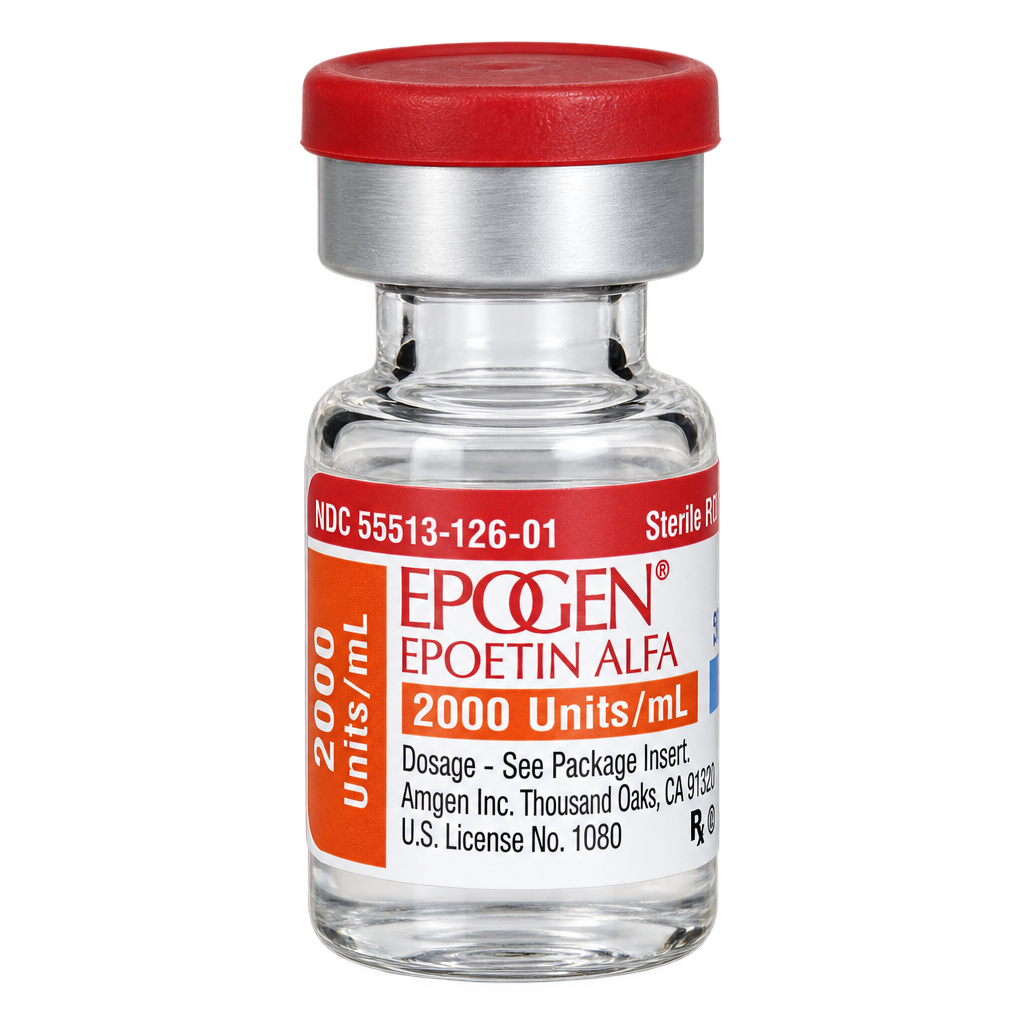
Epogen (Epoetin alfa)
Virtual visit

Epogen (Epoetin alfa)

With our quick and easy online prescription process, you can manage your health effortlessly — whether you need a first-time prescription for Epogen (Epoetin alfa) or a refill of an existing one.

Licensed providers in all 50 states

Expert-guided, evidence-based treatments

Skip the trip to the doctor's office

Visit options

Costs shown are for the visit only. You'll pay for medication at your preferred pharmacy.

Video Visit

$25

Est. or $100 w/o insurance

Chat Visit

$30

w/o insurance

Most insurance accepted

Board-certified

No hidden fees

Available nationwide

What is Epogen (Epoetin alfa)?

Epogen is a prescription erythropoiesis-stimulating agent (ESA) used to treat anemia—low red blood cell counts—caused by chronic kidney disease, chemotherapy, or HIV medications. It's a synthetic form of erythropoietin, the hormone naturally produced by the kidneys that signals bone marrow to produce red blood cells. When the kidneys are damaged or when chemotherapy suppresses bone marrow function, erythropoietin production falls and red blood cells decline. Epogen replaces this signal, stimulating the bone marrow to produce more red blood cells—reducing fatigue, improving energy, and decreasing the need for blood transfusions.

Erythropoietin receptor stimulation

Binds to erythropoietin receptors on red blood cell progenitors in bone marrow, triggering their proliferation, differentiation, and maturation into functional red blood cells—directly addressing the anemia caused by inadequate natural erythropoietin production.

Transfusion reduction

By stimulating endogenous red blood cell production, Epogen raises hemoglobin levels sufficiently to reduce or eliminate the need for blood transfusions—avoiding transfusion risks including infection, immune reactions, and iron overload.

Chemotherapy and CKD anemia management

Addresses two distinct causes of EPO deficiency—kidney disease that impairs natural EPO production, and chemotherapy that suppresses bone marrow—restoring red blood cell production in both settings with the same mechanism.

Virtual visit with clinician

Ongoing support, always available.

You’ll be supported by experienced clinicians who care for a wide range of health needs, from everyday concerns to more complex conditions.

Our clinicians track your progress over time and adjust your care as needed. If medication is prescribed, we’ll manage dosing and monitor for side effects. If lab testing is recommended, we review results and refine your plan accordingly. You’re never left to navigate care on your own.

All your care in one place. That’s the General Medicine difference.

We help you understand your options, connect you to the right clinicians, manage prescriptions, coordinate any needed evaluations, and keep an eye on your overall health along the way. It’s comprehensive care that looks at the full picture — your goals, your history, your lifestyle — and makes it simple to move forward with confidence.

Your care plan
Clinician

What our customers have to say

I feel like I’m finally on the right path to improving my health with the right support now! It’s so refreshing and reassuring.

Emerald

My experience with General Medicine was amazing. The understanding and care that was taken to figure out what is exactly going on with me. I feel like a weight has been lifted off of me.

Kaylee

I couldn’t be happier with my experience with General Medicine! They are fast, responsive, kind and knowledgeable. It is much easier, more affordable and faster.

Nika

Get the care you need, without the wait.

Frequently Asked Questions

What is Epogen used for?

Epogen stimulates bone marrow to produce more red blood cells — treating anemia caused by chronic kidney disease, chemotherapy, or certain HIV medications that suppress erythropoietin production or bone marrow function.

How quickly does Epogen raise red blood cell levels?

Red blood cell production increases within days, but measurable rise in hemoglobin typically takes 2–6 weeks. Your clinician will monitor hemoglobin levels regularly and adjust the dose to maintain a target range.

Why is there a target hemoglobin range rather than a single goal?

Raising hemoglobin too high with Epogen increases the risk of cardiovascular events — heart attack, stroke, and blood clots. Maintaining hemoglobin in a specific target range (typically 10–12 g/dL) balances benefit against these risks.

What side effects might I experience?

Hypertension, headache, joint pain, and injection site reactions are most common. Blood clot formation and cardiovascular events are serious risks at higher doses or with hemoglobin above target range — regular monitoring is essential.

How is Epogen given?

Epogen is given by subcutaneous injection or IV — typically one to three times per week depending on the indication and dose. In dialysis centers, IV administration is common. At-home patients typically self-inject subcutaneously.
Logo

© 2026 Path Healthcare Systems Corp.