


EMLA® (lidocaine / prilocaine) Cream
Applied to the skin 45–60 minutes before a needle, blood draw, or minor procedure, EMLA numbs the area so it's significantly less painful. After you book, your clinician reviews your history so your visit is about finding the right fit for you, whether that's EMLA or another option.
Applied at home or in clinic before needles or minor skin procedures
Safe and effective for both adults and children
Particularly useful for people with needle anxiety or frequent procedures
Visit options
Costs shown are for the visit only. You'll pay for medication at your preferred pharmacy.
Video Visit
$25
Est. or $100 w/o insurance
Chat Visit
$30
w/o insurance
Most insurance accepted
Board-certified clinicians
No hidden fees
Available nationwide
What is EMLA Cream?

Dual local anesthetic penetration
Lidocaine and prilocaine both block sodium channels in peripheral nerve endings beneath the skin, preventing pain signals from being generated and transmitted—providing effective topical numbing without injection.
Eutectic mixture advantage
The combination of lidocaine and prilocaine forms a eutectic mixture that remains liquid at room temperature and penetrates intact skin more effectively than either anesthetic alone, reaching the depth needed for reliable surface anesthesia.
Procedure anxiety reduction
By reliably eliminating the sharp pain of needle insertion and minor skin procedures, EMLA significantly reduces procedural anxiety—particularly valuable in pediatric patients, needle-phobic adults, and anyone undergoing repeated procedures.

Ongoing support, always available.
You’ll be supported by experienced clinicians who care for a wide range of health needs, from everyday concerns to more complex conditions.
Our clinicians track your progress over time and adjust your care as needed. If medication is prescribed, we’ll manage dosing and monitor for side effects. If lab testing is recommended, we review results and refine your plan accordingly. You’re never left to navigate care on your own.
All your care in one place. That’s the General Medicine difference.
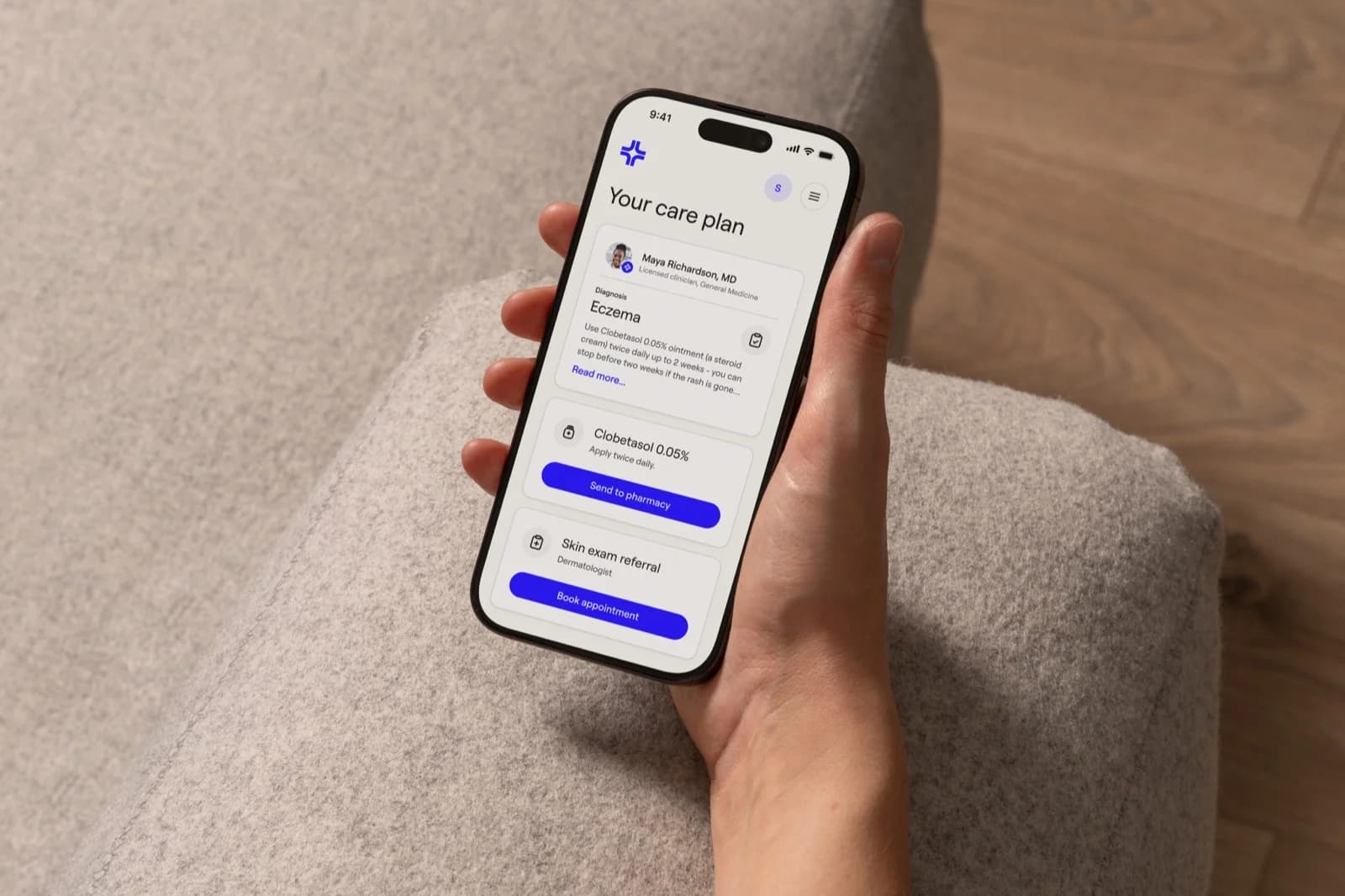
We help you understand your options, connect you to the right clinicians, manage prescriptions, coordinate any needed evaluations, and keep an eye on your overall health along the way. It’s comprehensive care that looks at the full picture — your goals, your history, your lifestyle — and makes it simple to move forward with confidence.

What our customers have to say
“I feel like I’m finally on the right path to improving my health with the right support now! It’s so refreshing and reassuring.”
Emerald
“My experience with General Medicine was amazing. The understanding and care that was taken to figure out what is exactly going on with me. I feel like a weight has been lifted off of me.”
Kaylee
“I couldn’t be happier with my experience with General Medicine! They are fast, responsive, kind and knowledgeable. It is much easier, more affordable and faster.”
Nika