General
Colchicine
Virtual visit

Colchicine

With our quick and easy online prescription process, you can manage your health effortlessly — whether you need a first-time prescription for Colchicine or a refill of an existing one.

Licensed providers in all 50 states

Expert-guided, evidence-based treatments

Skip the trip to the doctor's office

Visit options

Costs shown are for the visit only. You'll pay for medication at your preferred pharmacy.

Video Visit

$25

Est. or $100 w/o insurance

Chat Visit

$30

w/o insurance

Most insurance accepted

Board-certified

No hidden fees

Available nationwide

What is Colchicine?

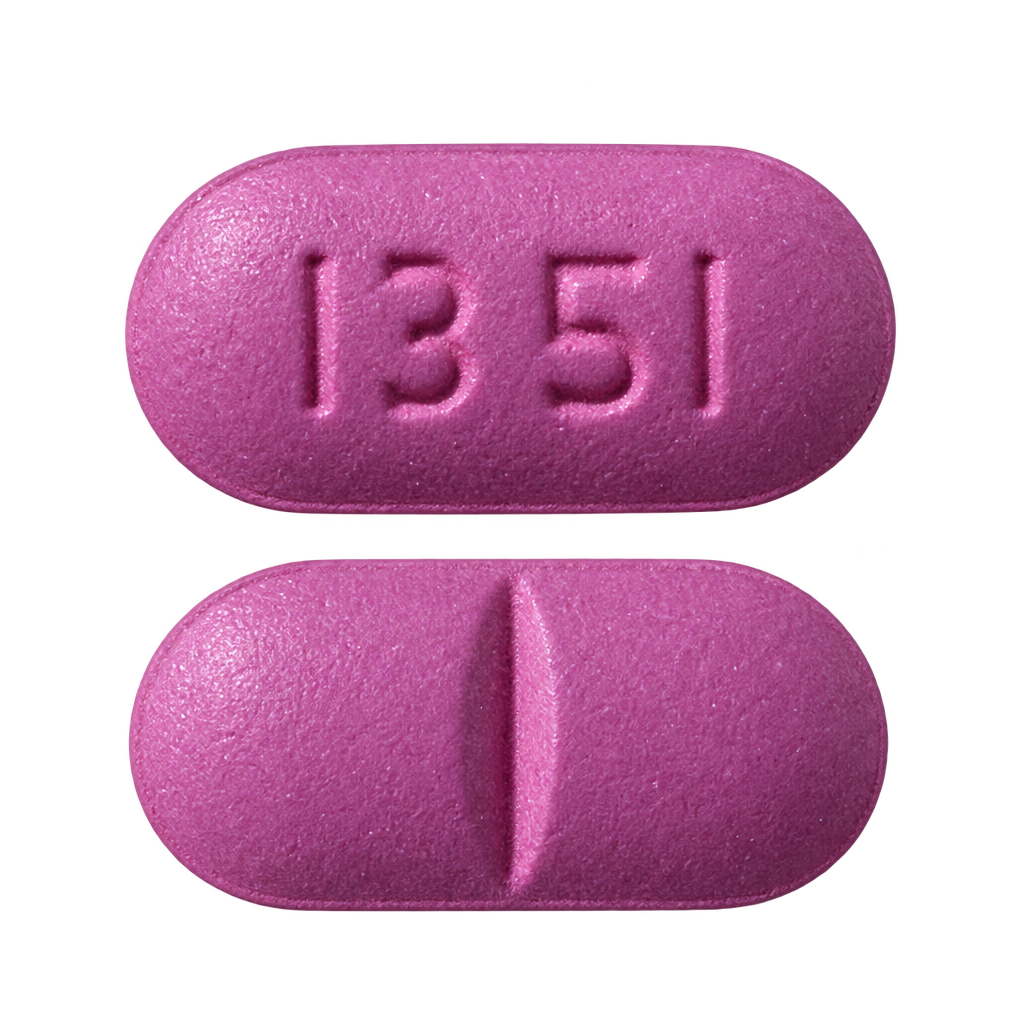
Colchicine is a prescription medication used to treat and prevent gout flares, and to treat pericarditis (inflammation around the heart). During a gout attack, uric acid crystals deposit in joints, triggering an intense inflammatory response. Colchicine works by interfering with the cellular mechanism that initiates and amplifies this inflammatory cascade—not by lowering uric acid levels, but by reducing how aggressively the immune system responds to the crystals. It's taken at the first sign of a flare for acute treatment, or at low daily doses to prevent recurring attacks.

Neutrophil disruption

Interferes with microtubule formation in neutrophils—the white blood cells that rush to joints in response to uric acid crystals—preventing them from activating and amplifying the inflammatory response.

Rapid flare intervention

Most effective when taken at the very first sign of a gout attack. Early dosing can dramatically reduce the severity and duration of the flare before full inflammation sets in.

Prevention at low doses

Taken daily at a low dose between flares, Colchicine significantly reduces the frequency of gout attacks—without directly altering uric acid levels or requiring the same doses used for acute treatment.

Virtual visit with clinician

Ongoing support, always available.

You’ll be supported by experienced clinicians who care for a wide range of health needs, from everyday concerns to more complex conditions.

Our clinicians track your progress over time and adjust your care as needed. If medication is prescribed, we’ll manage dosing and monitor for side effects. If lab testing is recommended, we review results and refine your plan accordingly. You’re never left to navigate care on your own.

All your care in one place. That’s the General Medicine difference.

We help you understand your options, connect you to the right clinicians, manage prescriptions, coordinate any needed evaluations, and keep an eye on your overall health along the way. It’s comprehensive care that looks at the full picture — your goals, your history, your lifestyle — and makes it simple to move forward with confidence.

Your care plan
Clinician

What our customers have to say

I feel like I’m finally on the right path to improving my health with the right support now! It’s so refreshing and reassuring.

Emerald

My experience with General Medicine was amazing. The understanding and care that was taken to figure out what is exactly going on with me. I feel like a weight has been lifted off of me.

Kaylee

I couldn’t be happier with my experience with General Medicine! They are fast, responsive, kind and knowledgeable. It is much easier, more affordable and faster.

Nika

Get the care you need, without the wait.

Frequently Asked Questions

Should I take colchicine during a gout attack or to prevent them?

Both uses are appropriate at different doses. At higher doses taken at the first sign of a flare, it treats acute attacks. At a lower daily dose, it prevents future attacks from occurring.

Why does timing matter so much during an attack?

Colchicine is most effective when taken at the very first sign of a gout flare — within the first 12–24 hours. Waiting until the attack is fully established significantly reduces how well it works.

Can I take it if I also take a statin?

Some statins interact with colchicine and can increase the risk of muscle toxicity. Your clinician will review your full medication list before prescribing and adjust the dose if needed.

What side effects might I experience?

Diarrhea, nausea, vomiting, and abdominal cramping are common, especially at higher doses used for acute flares. These are dose-dependent — the low preventive dose is usually much better tolerated.

Does colchicine lower uric acid?

No. Colchicine does not lower uric acid levels — it reduces the inflammatory response to urate crystals. Separate urate-lowering medications like allopurinol or febuxostat are needed to address elevated uric acid long-term.
Logo

© 2026 Path Healthcare Systems Corp.