General
Allopurinol (Aloprim)
Virtual visit

Allopurinol (Aloprim)

With our quick and easy online prescription process, you can manage your health effortlessly — whether you need a first-time prescription for Allopurinol (Aloprim) or a refill of an existing one.

Licensed providers in all 50 states

Expert-guided, evidence-based treatments

Skip the trip to the doctor's office

Visit options

Costs shown are for the visit only. You'll pay for medication at your preferred pharmacy.

Video Visit

$25

Est. or $100 w/o insurance

Chat Visit

$30

w/o insurance

Most insurance accepted

Board-certified

No hidden fees

Available nationwide

What is Allopurinol (Aloprim)?

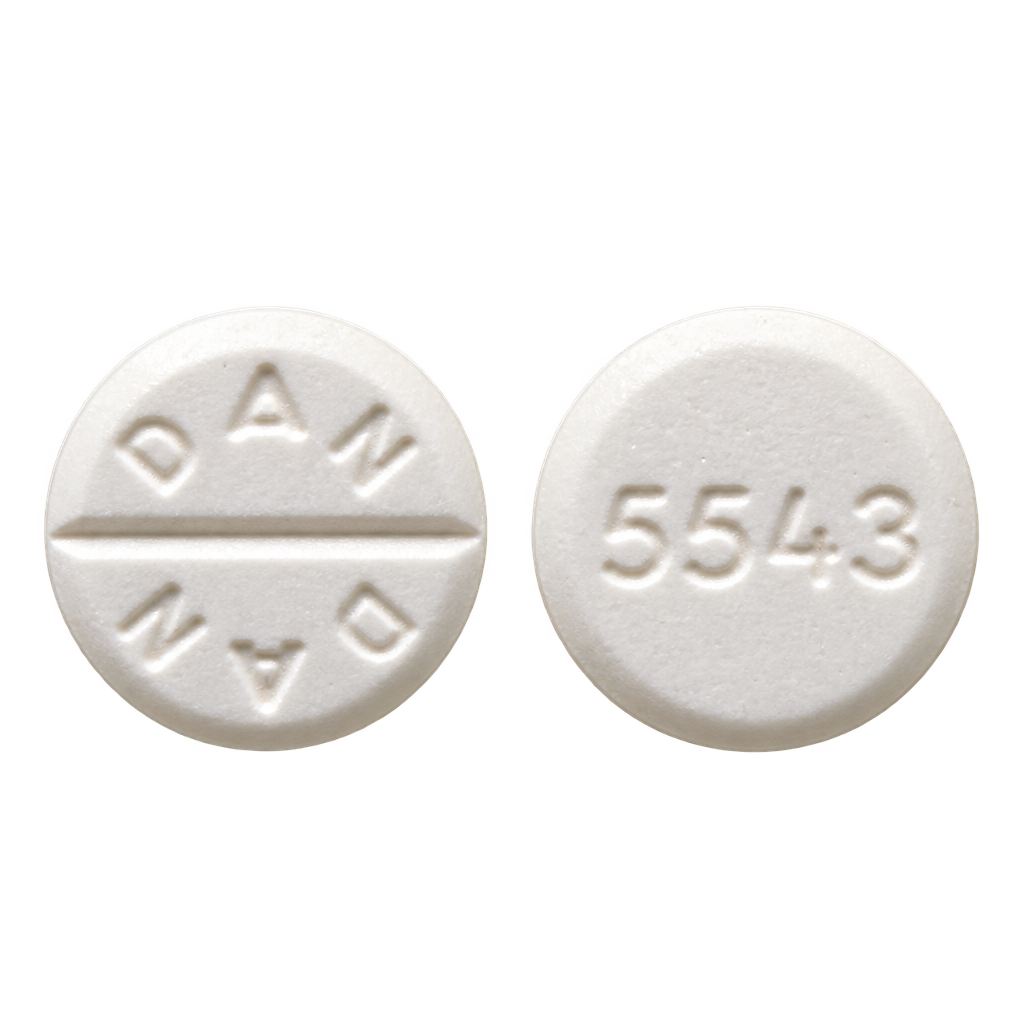
Allopurinol is a prescription medication used for the long-term prevention of gout and to manage elevated uric acid in patients receiving chemotherapy. It works by blocking xanthine oxidase—the enzyme responsible for the final steps of uric acid production—reducing the body's overall uric acid output. Unlike medications that treat gout flares acutely, Allopurinol is taken daily as a preventive measure. It doesn't treat active attacks, and flares may temporarily increase when starting it as urate crystals begin to dissolve. It's one of the most widely used and cost-effective urate-lowering therapies available.

Xanthine oxidase inhibition

Blocks the enzyme that converts hypoxanthine and xanthine into uric acid, reducing uric acid production at its source—lowering serum urate levels below the crystallization threshold with consistent daily use.

Crystal dissolution over time

As serum uric acid levels fall and remain low, existing monosodium urate crystal deposits in joints and soft tissues gradually dissolve—reducing the frequency of gout flares and the risk of tophi formation over months to years.

Chemotherapy hyperuricemia prevention

Used alongside chemotherapy to prevent tumor lysis syndrome—the dangerous surge in uric acid that occurs when large numbers of cancer cells are rapidly killed and release their cellular contents into the bloodstream.

Virtual visit with clinician

Ongoing support, always available.

You’ll be supported by experienced clinicians who care for a wide range of health needs, from everyday concerns to more complex conditions.

Our clinicians track your progress over time and adjust your care as needed. If medication is prescribed, we’ll manage dosing and monitor for side effects. If lab testing is recommended, we review results and refine your plan accordingly. You’re never left to navigate care on your own.

All your care in one place. That’s the General Medicine difference.

We help you understand your options, connect you to the right clinicians, manage prescriptions, coordinate any needed evaluations, and keep an eye on your overall health along the way. It’s comprehensive care that looks at the full picture — your goals, your history, your lifestyle — and makes it simple to move forward with confidence.

Your care plan
Clinician

What our customers have to say

I feel like I’m finally on the right path to improving my health with the right support now! It’s so refreshing and reassuring.

Emerald

My experience with General Medicine was amazing. The understanding and care that was taken to figure out what is exactly going on with me. I feel like a weight has been lifted off of me.

Kaylee

I couldn’t be happier with my experience with General Medicine! They are fast, responsive, kind and knowledgeable. It is much easier, more affordable and faster.

Nika

Get the care you need, without the wait.

Frequently Asked Questions

When should I start allopurinol — during a gout attack or between attacks?

Allopurinol should not be started during an active gout flare — this can worsen or prolong the attack. Start it after the flare has fully resolved, typically 2–4 weeks later. An anti-inflammatory prophylaxis is often prescribed alongside when starting.

How long before allopurinol reduces my gout flares?

Uric acid levels begin dropping within weeks, but meaningful reduction in flare frequency takes 6–12 months as existing urate crystal deposits gradually dissolve from joint tissue. Gout flares may temporarily increase when starting.

What uric acid level should I aim for?

Most guidelines recommend targeting a serum uric acid level below 6 mg/dL — below the saturation point where crystals form. Your clinician will monitor levels and adjust the dose to reach and maintain this target.

What side effects might I experience?

Rash is the most important side effect to watch for — a severe hypersensitivity reaction called allopurinol hypersensitivity syndrome is rare but serious and requires immediate discontinuation. Nausea and liver enzyme elevations can also occur.

How is allopurinol different from febuxostat (Uloric)?

Both lower uric acid through xanthine oxidase inhibition. Febuxostat is non-purine-based and may be used when allopurinol isn't tolerated — particularly in patients with kidney disease. Your clinician will determine which is more appropriate.
Logo

© 2026 Path Healthcare Systems Corp.