Dec. 16, 2025
Cloudy Urine: What It Means, Common Causes, and When to See a Doctor

Adam Carewe, MD
Jump to
Book a visit
$25 typical copay
$100 without insurance
Get expert care for your pain today.
Cloudy urine isn’t always a big deal, but it can tell you something about what’s going on in your body—like whether you're hydrated, fighting irritation, or dealing with a UTI. There are a few quick ways to get some answers (without spiraling on Google).
If you’ve ever glanced into the toilet and noticed your pee looking cloudy or milky, it can spark some understandable questions. I’ve had those moments myself, and even as someone who writes about health for a living, it still makes me pause. Sometimes it’s just your body reacting to not enough water or something you ate. Other times, it’s your body flagging a bigger issue worth paying attention to.
This guide breaks down what cloudy urine can mean, what you can do about it, and when it’s worth checking in with a clinician.
Cloudy urine 101 (what does cloudy urine mean?)
“Most cases of cloudy urine are caused by something relatively simple— mild dehydration, a high-protein meal, or harmless phosphates that crystallize when urine cools,” says Marjory Bravard, MD, founding physician and director of clinical partnerships at General Medicine.
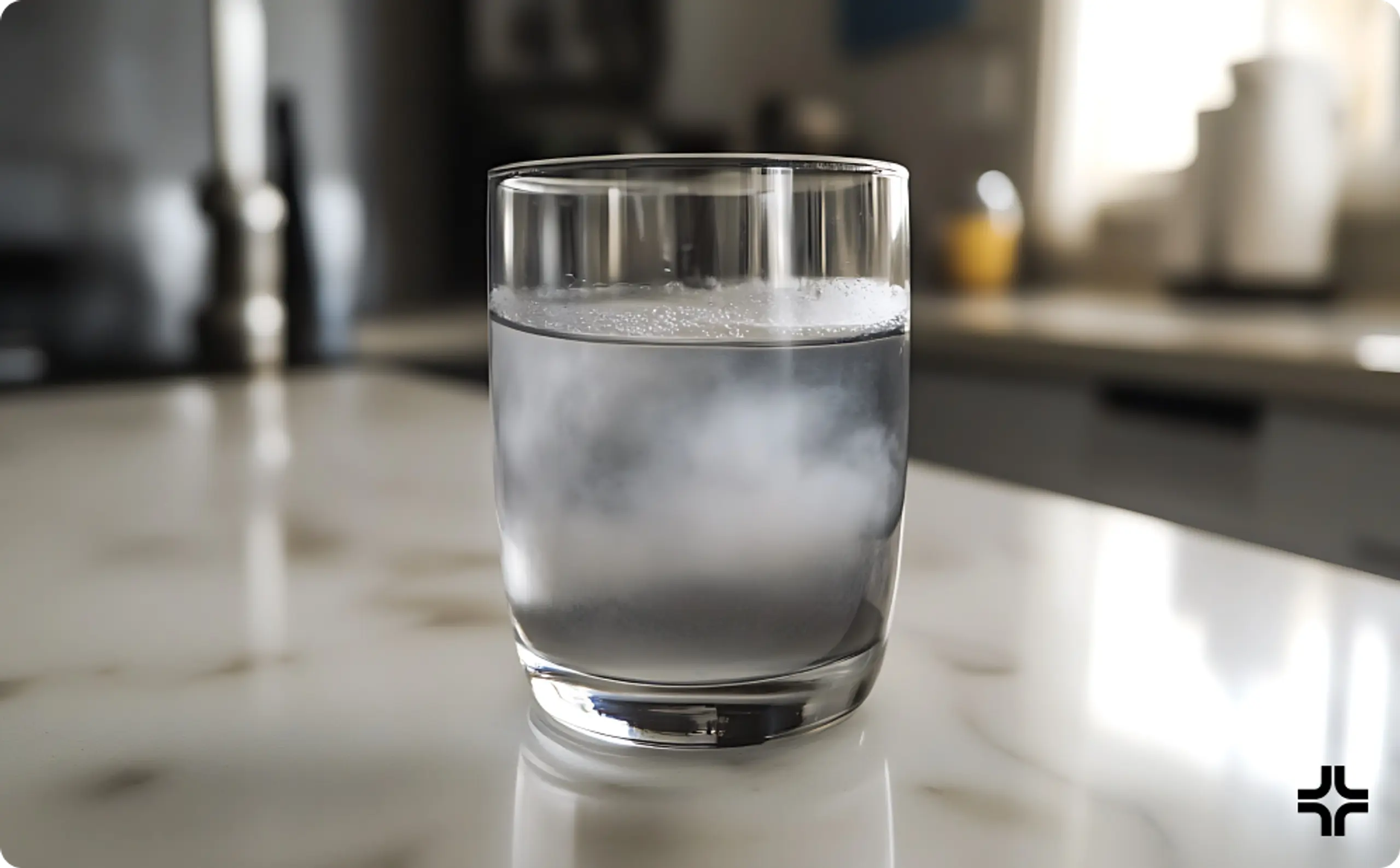
Indeed, in most cases, cloudy urine (also known sometimes as turbid urine) occurs when something extra is floating around in your pee. When that happens, light can’t pass through as easily, which makes your urine look hazy or milky instead of clear.
Here’s what might be causing that cloudiness:
- White blood cells
- Bacteria
- Phosphate crystals
- Proteins or mucus
A single episode of cloudy urine, especially first thing in the morning or after a low-hydration day, often fades once you’ve had enough fluids. What deserves a closer look is cloudiness that lasts a day or two, keeps returning, or comes with symptoms like burning, urgency, fever, pelvic pain, or blood in your urine.
It’s also worth noting that cloudy pee isn’t the same as foamy pee. Cloudiness looks like someone swirled powder into the water. Foaminess, on the other hand, looks more like soap bubbles sitting on top of the urine. This can happen if you pee quickly or if there’s protein in your urine, which typically has a different set of causes.
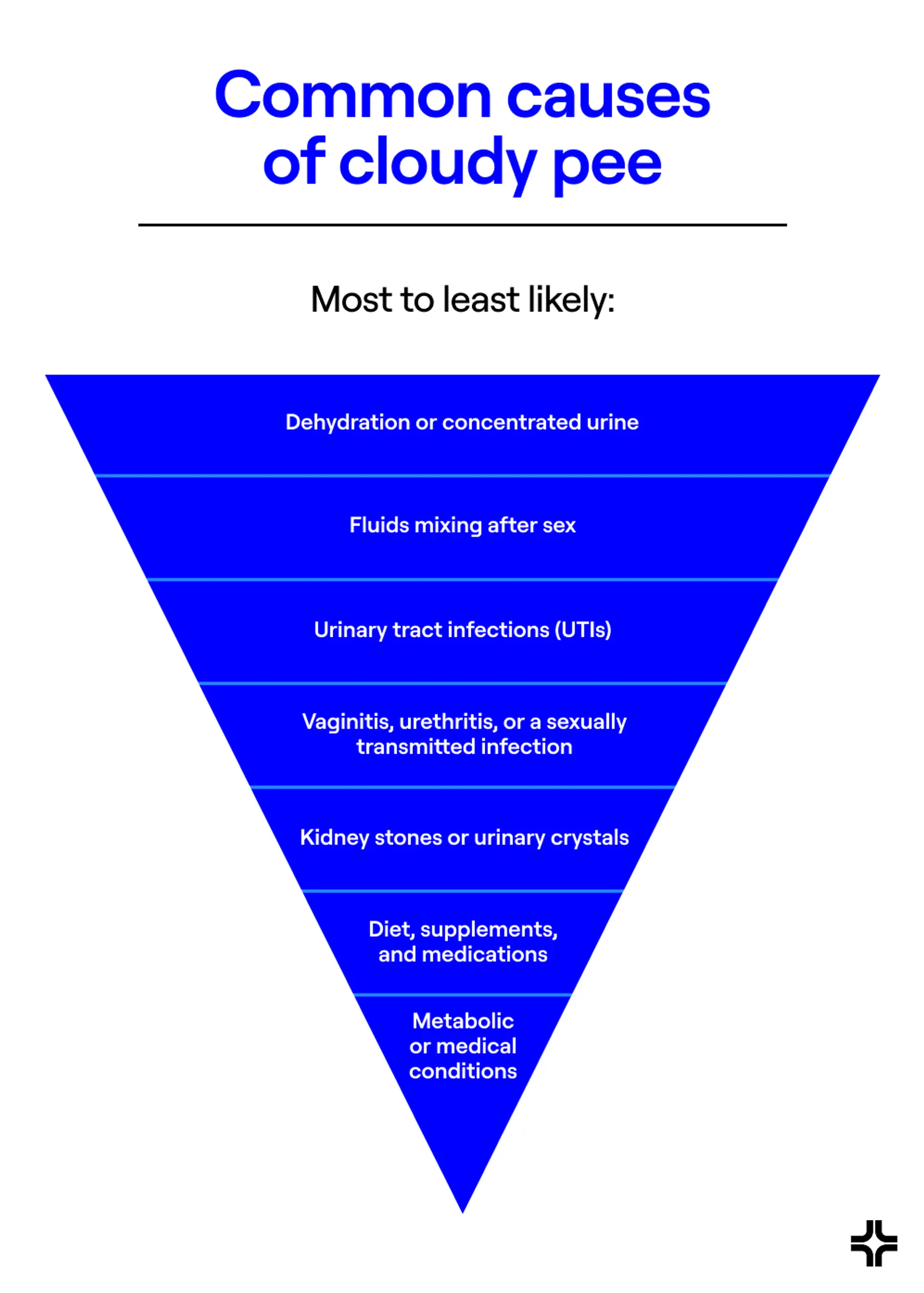
Common causes of cloudy pee (most to least likely)
Not sure why your urine is cloudy? It can come from a few different sources. Below are the causes clinicians see most often, starting with the usual suspects and moving toward the less common.
Common causes of cloudy pee
Dehydration or concentrated urine
When you haven’t had enough fluid, your urine gets more concentrated. In other words, there’s a higher amount of dissolved minerals, salts, and waste products in every drop—and that can make pee look darker and a bit cloudy. It’s the kind of thing you might spot after a long flight, a sweaty workout, or one of those days where you drank all the coffee and none of the water … oops.
If dehydration is the main driver, you may also see:
- Darker yellow urine
- Stronger urine odor
- Dry mouth, headache, or lightheadedness
Fluids mixing after sex
Cloudiness can also happen after sex simply because a small amount of semen mixes with urine the next time you go to the bathroom, says Poushali Bhattacharjee, MD, a physician at General Medicine. This can happen to any man or woman who has semen present in the urethra or vaginal canal after sexual activity.
Semen has proteins and other naturally milky components that can make urine look cloudy for a brief moment. This type of cloudiness usually disappears quickly, doesn’t come with pain or irritation, and isn’t a sign of infection on its own.
Urinary tract infections (UTIs)
“Urinary tract infections are another common cause, especially if the urine looks cloudy and has a noticeable odor or burning sensation,” says Bravard.
When bacteria get into your urinary tract and start to multiply, your immune system sends white blood cells to fight the infection. Those cells, along with bacteria and mucus, can mix with urine and make it look cloudy.
A UTI also causes symptoms like:
- Feeling like you have to pee again right after going
- Pelvic pressure or lower abdominal discomfort
- Foul-smelling urine
- Fever, chills, nausea, or back/flank pain
- Pink, red, or brown urine (a sign of blood in the urine)
Vaginitis, urethritis, or a sexually transmitted infection
Cloudy urine can happen when inflammation or infection affects the vagina or urethra. Discharge from these areas can mix with urine as it leaves the body, which can change how it looks. This may happen with conditions like bacterial vaginosis, yeast infections, or sexually transmitted infections (including chlamydia, gonorrhea, and trichomoniasis). Irritation from scented soaps, wipes, or douches can also play a role.
People sometimes describe this kind of cloudiness as milky, streaky, or stringy rather than evenly hazy.
You might also experience symptoms like:
- Itching, irritation, or burning around the vulva or urethra
- Changes in vaginal discharge (thicker, thinner, more odor, or a different color)
- Pelvic discomfort or pressure
- Pain with sex or urination
Kidney stones or urinary crystals
Cloudy urine can also happen when minerals in the urine form crystals. Sometimes these crystals stay tiny, and the cloudiness may be the only sign. But in other cases, those crystals clump together and become kidney stones—hard deposits that can cause intense pain as they pass through the urinary tract, says Bravard.
Cloudiness from stones can come from the crystals themselves or from small amounts of blood or inflammation in the urinary tract. Many people describe the pain as sharp and wave-like, often starting in the back or side and moving toward the lower abdomen or groin—and yes, it can be every bit as intense as it sounds.
Other common symptoms include:
- Sudden, intense, or cramping pain in the back, side, or lower belly
- Pink, red, or brown urine
- Nausea or vomiting
- Feeling like you need to urinate more often, or having difficulty urinating
Diet, supplements, and medications
Not all cloudy pee comes from something going wrong in the urinary tract. Sometimes, it’s simply a reaction to what you’ve eaten or taken recently. Common culprits include:
- Phosphoric acid: Dairy products, meats, and certain sodas can increase phosphate levels in urine, which may make it look hazier for a short time.
- Sulphur: Sulphuric compounds in foods like asparagus, garlic, and onions can cause an unusual odor and, in some cases, cloudiness.
- High-dose vitamin C: These supplements can lead to crystal formation in the urine, which may show up as cloudiness.
- Some antibiotics and medications: As your body breaks down medications like rifampin and warfarin, they can temporarily alter the color, smell, and clarity of your urine.
Metabolic or medical conditions
Certain medical conditions can change what your kidneys filter out or how your body handles things like protein, sugar, or inflammatory cells. When those extra ingredients end up in your urine, it can look milky or hazy—and unlike cloudiness from a low-hydration day, this version doesn’t clear up when you chug some water, says Bravard.
Conditions that can cause cloudy urine include:
- Diabetes: When blood sugar runs high or the body starts breaking down fat for fuel, extra glucose or ketones can spill into the urine and make it appear cloudy.
- High urinary protein levels (proteinuria): When the kidneys aren’t filtering properly, protein can leak into the urine, which may give it a hazy or foamy look.
- Prostatitis or enlarged prostate (BPH): Inflammation or pressure around the urethra can affect urine flow and allow more mucus, cells, or secretions to mix into the urine.
- Autoimmune or inflammatory kidney conditions: When the immune system mistakenly targets kidney tissue, it can impair filtration and cause inflammatory cells or proteins to show up in urine.
There are also some rarer medical causes of cloudy urine. These aren’t the first explanations clinicians look for, but they can be part of the picture when cloudiness is persistent or comes with other changes in your overall health:
- Chyluria: A rare condition where lymphatic fluid leaks into the urinary tract, giving urine a milky or cloudy appearance.
- Systemic inflammation: When your immune system is working overtime throughout the body, it can change how the kidneys filter waste and allow inflammatory cells or proteins to show up in urine.
- Inherited or rare renal diseases: Certain genetic or less common kidney disorders can change how proteins, minerals, or immune cells are processed, leading to persistently cloudy urine.
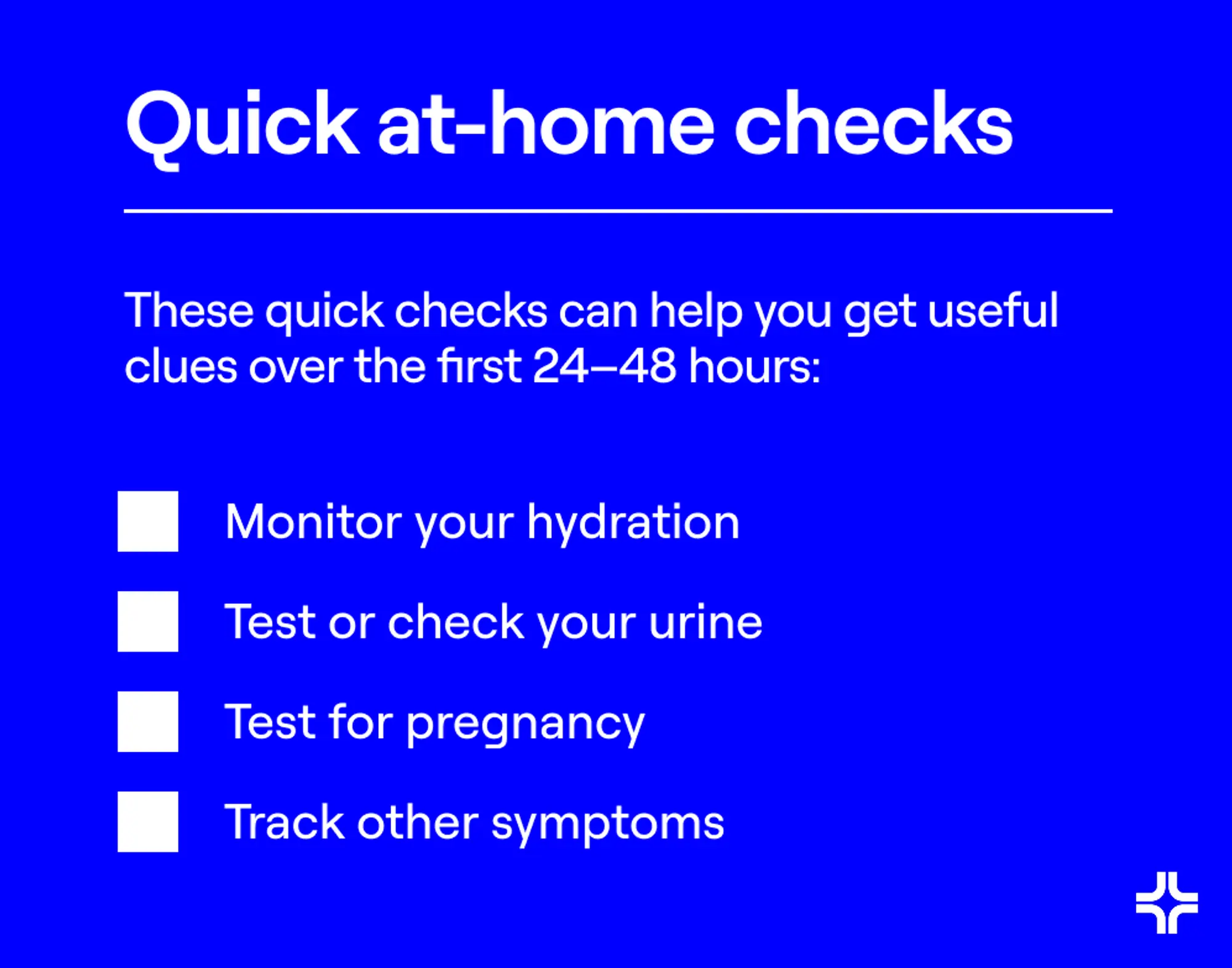
Quick at-home checks
You don’t need a full investigation to start making sense of cloudy urine. These quick checks can help you get useful clues over the first 24–48 hours:
Quick at-home checks for cloudy urine
- Monitor your hydration: Drink fluids steadily and watch whether your urine becomes lighter and clearer. If cloudiness improves with hydration, dehydration may have been the driver.
- Do a quick rewind: Was something different about the last day or two (sex, hygeine products, supplements, meds, or foods)? These can temporarily change how urine looks.
- Test or check your urine: If you plan to look at your urine more closely or use a home test, try a clean-catch midstream sample to avoid contamination. If you have UTI symptoms, a home dipstick may offer helpful information.
- Test for pregnancy: UTIs are common during pregnancy, so if your period is late or pregnancy is possible, take a test. It’s helpful to know before deciding on next steps.
- Track other symptoms: Jot down any changes, including burning, urgency, fever, new discharge, pain (and where it is), or blood-tinged urine. A quick notes app entry can make a future doctor visit much more efficient.
Diagnosis and treatment options
If cloudy urine hasn’t improved after a day or two of extra fluids or it’s accompanied by other symptoms like burning, fever, or back pain, it might be time to loop in a doctor.
Your General Medicine clinician will usually walk through a few key questions to help narrow down the most likely cause:
- When did the cloudiness show up? Does it disappear and come back?
- Is there any burning, urgency, fever, or lower-belly pressure in the mix?
- Have you had sex recently, changed soaps or wipes, or started a new medication or supplement?
- Could pregnancy be possible? Do you manage conditions like diabetes or kidney issues?
If your doctor recommends testing, common options include:
- Urinalysis: A urine test looks for signs of infection, inflammation, blood, crystals, or protein in your urine.
- Urine culture: This helps determine whether bacteria are present and whether antibiotics might be useful.
- Swabs for STIs or vaginitis: These can check for infections in the vagina or urethra when discharge, irritation, or pelvic discomfort is part of the picture.
- Imaging (ultrasound or CT scan): This may be recommended if there are red flags for kidney stones or a blockage in the urinary tract.
- Blood work: This can help identify whether a more systemic issue (like kidney inflammation, infection, or metabolic concerns) is contributing to the cloudy urine.
Once your clinician has a clearer idea of the cause, they’ll focus on addressing what’s driving the cloudiness. They may also recommend tweaks to hydration, diet, or personal care products to keep things on track.
Non-surgical treatment options
Here are some of the most common approaches, depending on the cause of your cloudiness:
At-home care
- Lifestyle and product adjustments: When cloudiness seems tied to hydration, diet, supplements, or personal care products, medication isn’t always necessary. Your clinician may recommend adjusting your hydration or diet, using fragrance-free products around the genitals, or switching up certain supplements or medications.
Clinical treatment
- Antibiotics: If cloudiness is coming from a bacterial infection (like a UTI or certain STIs) your clinician may prescribe antibiotics targeted to the type of bacteria involved. If an STI is part of the picture, partners may also need testing or treatment so symptoms don’t bounce back and forth.
- Antifungal or antimicrobial treatment: When the cloudiness traces back to changes in vaginal or urethral discharge, treatment might involve antifungal or antimicrobial medication.
- Hydration and pain support: If cloudy urine is linked to urinary crystals or a small kidney stone, treatment often centers around drinking fluids, easing discomfort, and sometimes using medication that helps the urinary tract relax so the stone can pass.
- Monitoring and follow-up: If urine tests suggest protein, glucose, or signs of inflammation, the goal often shifts to protecting kidney function and managing any underlying conditions like diabetes or prostatitis. That might include blood pressure checks, diabetes screening, medication adjustments, or repeat urine tests over time.
Procedural/surgical options
Most people with cloudy urine won’t need a procedure. But when symptoms point to something more serious, more advanced treatments may help, such as:
- Kidney stone removal: This may involve procedures like shock wave lithotripsy (using sound waves to break stones), ureteroscopy (removing a stone with a small scope), or other techniques. It might be necessary when a kidney stone is too large to pass, is causing severe pain, or is blocking urine flow.
- Relieving a blockage or obstruction: This can include placing a stent or other device to help urine move from the kidney to the bladder. It might be necessary when something (like a stone or swelling) is stopping urine from flowing and causing back pain, vomiting, or infection risk.
- Draining an abscess or infected area: This involves releasing trapped fluid when infection collects in a pocket near or within the urinary tract. It might be necessary when antibiotics aren’t enough on their own or when infection is causing fever, chills, or worsening pain.
If a clinician thinks a procedure might help, they’ll talk you through what it involves and what recovery usually looks like.
General Medicine can help you start that process virtually. If your symptoms suggest you may need imaging or a referral to a specialist, a General Medicine clinician can guide the next steps and coordinate care so you don’t have to navigate it alone.
Working with a healthcare provider
Cloudy urine can feel like a mystery your body is trying to get you to solve, and working with a clinician can help you crack the case a lot faster. A little prep goes a long way so you and your care team can spend more time on answers and less time trying to remember details on the spot.

Cloudy urine: Tips for working with a healthcare provider
Here’s what to have handy before your appointment:
- A 48–72 hour log of your symptoms and how much you’ve been hydrating
- Any medications or supplements you’re taking
- Recent sexual health history
- Pregnancy status or possibility
Asking the right questions can also help you make the most of your visit. Try asking:
- Do I need any tests, or is watchful waiting okay for now?
- If I need to give a urine sample, how do I do a clean catch so it’s accurate?
- If antibiotics are on the table, how will we decide when to start them?
- Are there any over-the-counter options that can help while we wait on results?
- Could my medications, supplements, or recent foods be playing a role here?
- Based on what I’m describing, what’s at the top of your list for possible causes?
- Should I track anything specific over the next few days (pain, hydration, fever, discharge)?
- If this doesn’t improve, what’s the next step—repeat testing, imaging, referral?
- When should I check back in if things aren’t getting better?
After your visit, a quick follow-up can help you and your clinician make sure everything is moving in the right direction. It’s a chance to review test results, confirm that symptoms are actually getting better, and talk about next steps if they’re not.
When to seek care
Most causes of cloudy urine aren’t emergencies, especially if things improve with hydration.
But “if cloudy urine is accompanied by pain, burning, fever, back discomfort, or visible blood, it’s important to seek medical care,” says Bravard. “You should also get checked if the cloudiness persists for more than a few days despite good hydration, or if it’s accompanied by facial or body swelling.”
According to Bhattacharjee, you should reach out to a clinician if you notice:
- Fever, chills, back or flank pain, or vomiting: These can signal a kidney infection, especially if they show up with UTI symptoms.
- Visible blood in your urine, severe lower abdominal pain, or difficulty urinating: These may signal a blockage, kidney stones, or another issue that needs prompt evaluation.
- Cloudy urine during pregnancy (especially with burning, urgency, or pelvic discomfort): UTIs are common during pregnancy, and treatment can be important for both parent and baby.
- Foamy urine with swelling in the legs, feet, or around the eyes, or new high blood pressure: This may suggest protein in the urine or changes in kidney function, especially if cloudiness hasn’t improved after 48–72 hours of good hydration.
- If you have diabetes and your urine suddenly changes in smell or appearance: Sudden shifts can be a sign of high blood sugar, ketones, or a developing infection, and are worth getting checked sooner rather than later.
If you’re immunocompromised, have had a transplant, use a catheter, or recently had a urologic procedure, it’s best to check in early if urine changes show up, as you may be at higher risk for complications.
Prevention tips
You don’t have to overhaul your entire routine to support clearer, more comfortable pee. Small habits can make a big difference over time, including:
- Drinking fluids steadily throughout the day: You don’t have to chug water—just sip regularly. If you’ve been in the heat or had a tough workout, an extra glass or two can help your body catch up.
- Taking care after sex and around the genital area: Peeing after sex can help flush bacteria from the urethra. Go easy on scented soaps, douches, and wipes, which can irritate delicate tissue. Breathable underwear (like cotton) can also help keep things calm.
- Supporting overall urinary and kidney health: Keeping blood sugar and blood pressure in a healthy range can support kidney function. If you take medications for these conditions, stay consistent with them—your kidneys are big fans of that predictability.
- If you’re prone to kidney stones, sticking with your prevention plan: Hydration goals, specific diet guidance, and follow-up with a clinician based on your stone type can reduce the chances of recurrent kidney stones and the cloudy urine that can comes with them.
Key takeaways
- Cloudy urine is common and often linked to dehydration, diet, supplements, medications, or mild irritation.
- Infections (like UTIs), vaginitis, urethritis, and kidney stones are frequent medical causes; kidney or metabolic conditions are less common.
- Get checked if cloudiness lasts more than 24–48 hours, keeps coming back, or shows up with burning, fever, back pain, or blood in the urine.
- You can treat most cases of cloudy urine with better hydration, nutrition or product adjustments, and targeted medication when needed.
- Most cases of cloudy urine don’t require procedures, but severe infection or blocked kidney stones may need urgent care.
Frequently asked questions (FAQs)
What does it mean when your pee is cloudy?
Cloudy urine usually means something extra is mixed in—like white blood cells, bacteria, mucus, or crystals. Common causes include dehydration, UTIs, certain foods or supplements, and vaginal or urethral irritation. Less often, it may relate to kidney or metabolic conditions, especially if it doesn’t improve with hydration.
Should I go to the ER for cloudy urine?
Most of the time, cloudy urine isn’t an emergency. However, it’s smart to seek urgent care if you have fever, chills, severe back or abdominal pain, vomiting, trouble urinating, or blood in the urine, as these may be signs of a kidney infection, blockage, or a stone that needs prompt treatment.
Can liver problems cause cloudy urine?
It’s not the most common cause, but liver conditions can sometimes lead to urine changes—especially darker urine—if bilirubin levels rise. Cloudiness is more often linked to the urinary tract than the liver, so it’s worth getting evaluated if it persists.
What foods cause cloudy pee?
Foods high in phosphates or sulfur may change urine clarity or odor. Some people notice cloudiness after dairy products, meats, certain sodas, asparagus, garlic, or onions. Certain supplements (like high-dose vitamin C) can also lead to temporary urine crystals.
Why is my pee cloudy after sex?
Sometimes urine looks cloudy after sex because vaginal or urethral discharge mixes with urine, or because bacteria enter the urinary tract and trigger irritation. Peeing after sex, using gentle hygiene products, and staying hydrated can help.
Our editorial standards
At General Medicine, we cut through the clutter to make health care clearer, faster, and easier to navigate. Every article is grounded in evidence-based research and peer-reviewed journals, reviewed by medical professionals, and written in accessible language that helps you make health decisions with confidence. We’re committed to ensuring the quality and trustworthiness of our content and editorial process by providing information that is up-to-date, accurate, and actually useful. For more details on our editorial process, see here.